Exploring the Core Themes of The Fetus
By Joe Lam — Writer & Director
Published: November 22, 2025
The Fetus isn’t just a horror film, it’s a blood-soaked reflection on control, generational trauma, and faith gone wrong. Through its grotesque visuals and emotionally charged story, the film explores four deeply disturbing themes that mirror real-world fears and abuses of power.
1. Bodily Autonomy vs. External Control
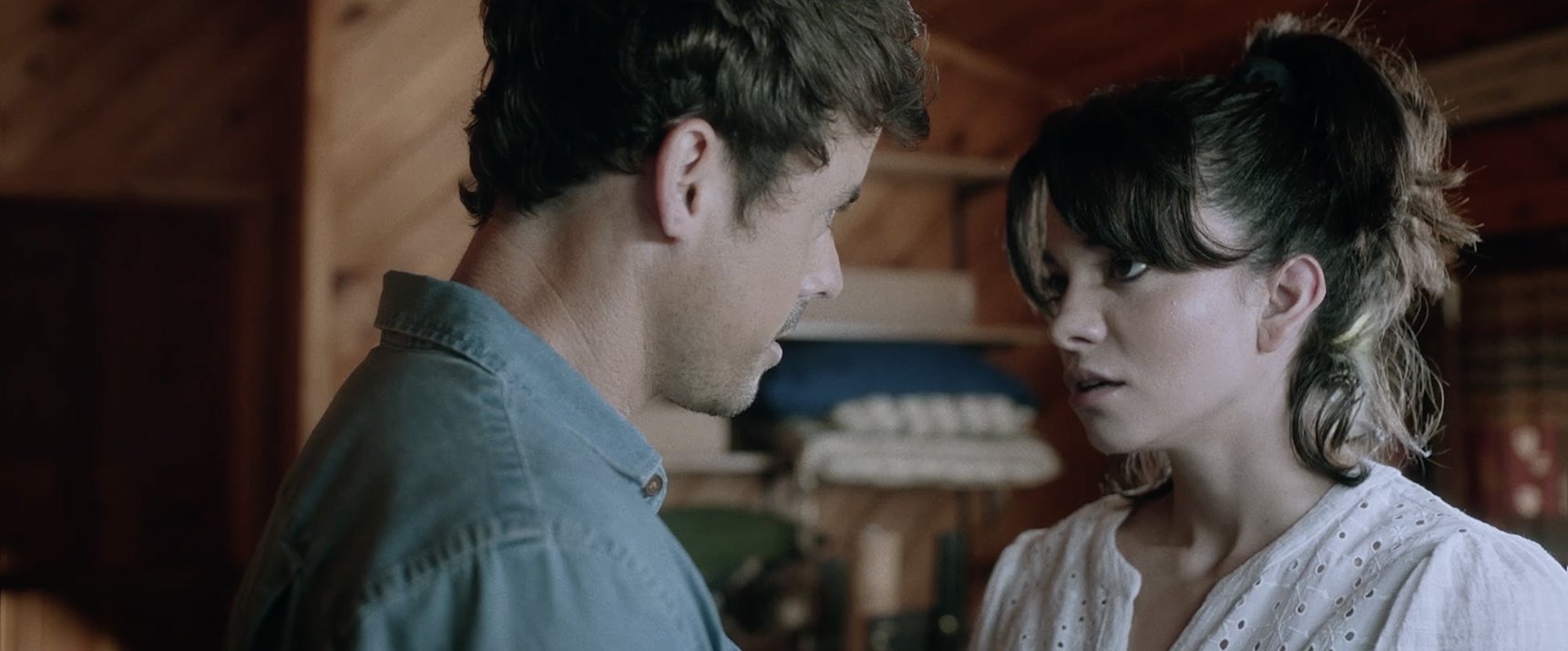
Julian Curtis and Lauren LaVera share a tense moment in The Fetus.
At the heart of The Fetus lies the horror of losing control over one’s own body. Alessa becomes host to a pregnancy she never asked for, a demonic parasite that feeds on blood and grows more powerful by the hour. It’s not simply a baby. It’s a force that's invaded her body.
Her autonomy is stripped by external forces: a monstrous entity, the manipulations of her own father, and societal expectations that prioritize obedience over agency. As her body mutates and the fetus grows stronger, Alessa must confront the terrifying reality that she is being consumed: physically, emotionally, and spiritually.
This theme resonates with real-world conversations about reproductive rights, forced motherhood, and bodily autonomy, making The Fetus more than just body horror. It’s a gut-wrenching metaphor for what happens when someone’s right to choose is overridden by fear, family, or faith.
2. Parental Betrayal & Generational Sin
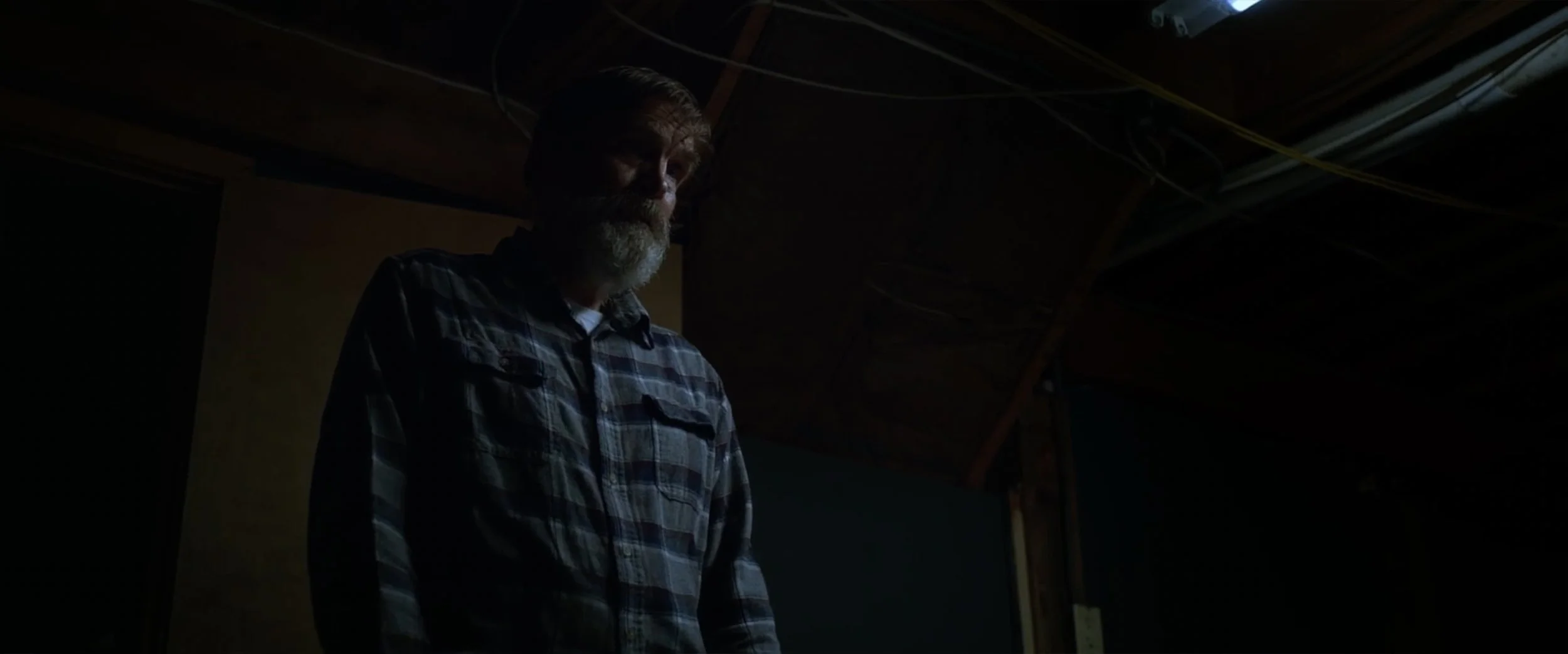
Bill Moseley delivers a chilling performance in a pivotal basement scene from The Fetus.
Alessa’s father, Maddox, is not simply a misguided parent, he’s an accomplice to evil. Blinded (literally and symbolically), he pledges his loyalty to Cerise, a demonic entity who promises to restore his sight in exchange for unspeakable sacrifices.
Instead of protecting his daughter, he delivers her into darkness. Maddox uses Alessa as a vessel for rebirth, not out of love but out of devotion to a power-hungry legacy. In doing so, he perpetuates a cycle of generational trauma, proving that blood ties do not always protect, they can betray.
This theme taps into the emotional pain of being betrayed by those meant to care for us. In The Fetus, family becomes a curse, one that warps loyalty into fanaticism and legacy into damnation.
3. Fear of Parenthood & Unnatural Creation
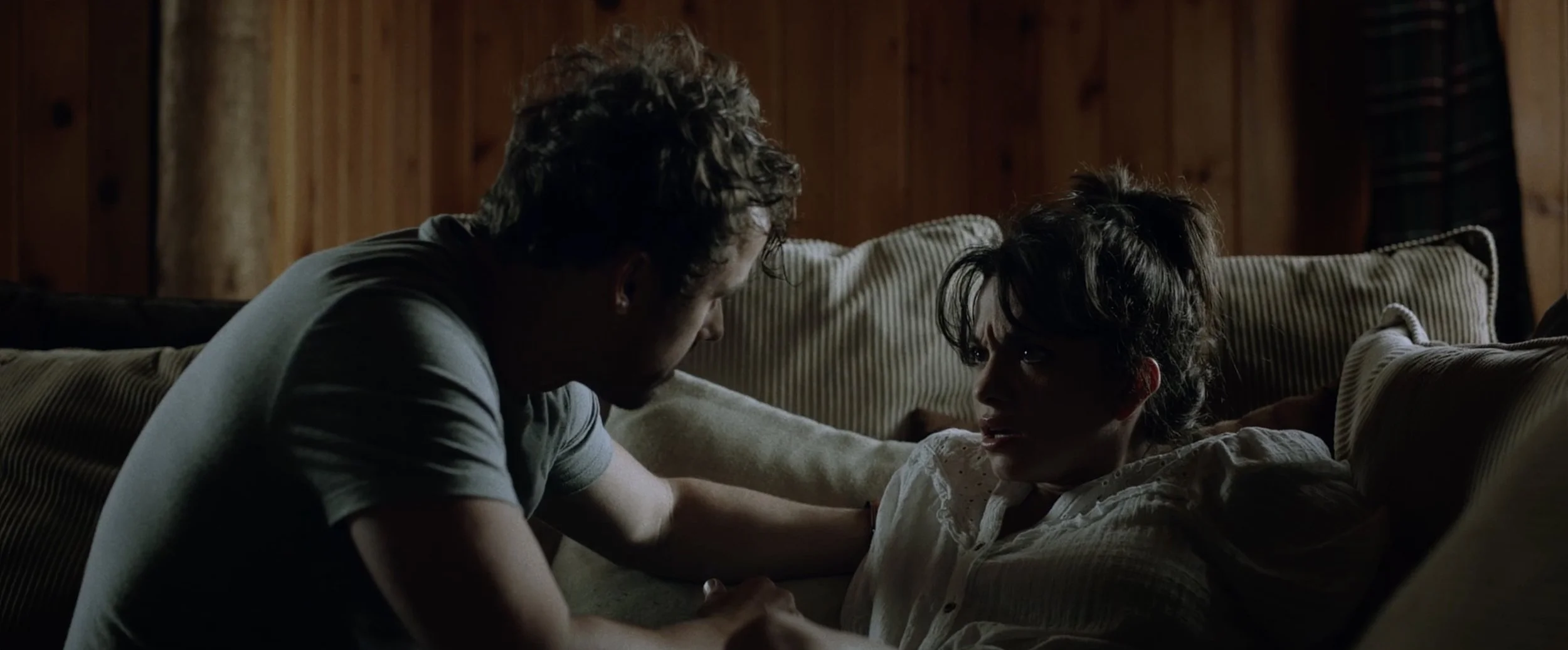
Lauren LaVera and Julian Curtis discuss what to do with the fetus while inside the cabin.
Lauren LaVera and Julian Curtis discuss what to do with the fetus while inside the cabin.
Chris and Alessa are not ready to become parents. But readiness is no longer an option. What grows inside Alessa is not a baby, it’s a monster born of trauma, violence, and demonic interference.
The film asks: What if the life you create turns against you? It dives into primal fears; fear of becoming a parent, of losing your identity, of being responsible for something you can’t control. The fetus represents every fear of unwanted responsibility, and every terror of bringing something into the world that you neither chose nor understand.
This speaks to a deeper anxiety that many share: the fear that parenthood might consume us, or worse, that we might pass on the very pain we once suffered.
4. Religious Fanaticism & Sacrifice

Evan Towell discovers the demon book in a scene from The Fetus.
Maddox believes he serves a divine purpose, but his god is a demon. Once Cerise restores his eyesight, Maddox can no longer see clearly. He becomes a fanatic, willing to murder innocents and sacrifice his daughter in the name of a twisted salvation.
The Fetus doesn’t attack religion itself. It attacks the perversion of belief into extremism, showing how blind faith can become the justification for atrocities. Maddox’s rituals and sacrifices are not acts of love, they are acts of control. And like many real-world cult leaders or zealots, he confuses devotion with domination.
Through Maddox, the film warns against the dangers of worshiping ideology over humanity, and how those in power can use faith to mask their cruelty.
Conclusion: Horror with a Purpose
Beneath the blood, body horror, and creature effects, The Fetus tells a story about control, trauma, and the human cost of blind obedience. It’s a film that dares to ask uncomfortable questions and answer them with guts, gore, and grim revelations.
Whether you see it as a metaphor for reproductive rights, a critique of religious zealotry, or a chilling tale of family betrayal, The Fetus delivers terror with meaning.
About the Author
Joe Lam is the writer-director of the indie horror-comedy film The Fetus and author of the filmmaking book Delivering The Fetus. He specializes in practical effects-driven storytelling and indie film production.
Haven't seen The Fetus yet?

Ready to witness the horror? Watch The Fetus starring Lauren LaVera now.
Experience the full horror—and see the practical effects in action.
Get Your FREE Copy of Delivering The Fetus!
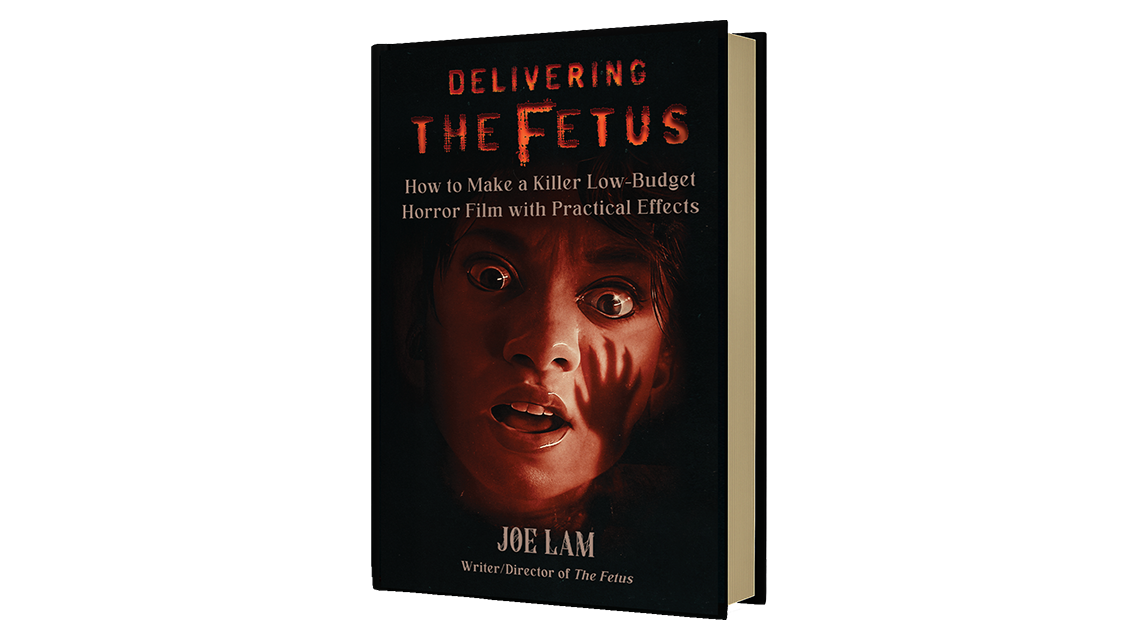
Free filmmaking book by Joe Lam, writer/director of The Fetus, offering step-by-step insights into low-budget horror and practical effects.
Free filmmaking book by Joe Lam, writer/director of The Fetus, offering step-by-step insights into low-budget horror and practical effects.
Get a FREE copy of Delivering The Fetus: How to Make a Killer Low-Budget Horror Film with Practical Effects
It’s packed with real-world lessons on funding, shooting, and finishing one of the strangest, bloodiest horror-comedies of the year.