How The Fetus Is Redefining Modern Horror-Comedy
A behind-the-scenes look at how The Fetus blends outrageous practical effects, psychological tension, and dark humor to redefine modern horror-comedy. Learn how fear and laughter collide, why practical FX matter, and why indie filmmakers are embracing this bold, rule-breaking genre.
By Joe Lam — Writer & Director
Published: November 16, 2025
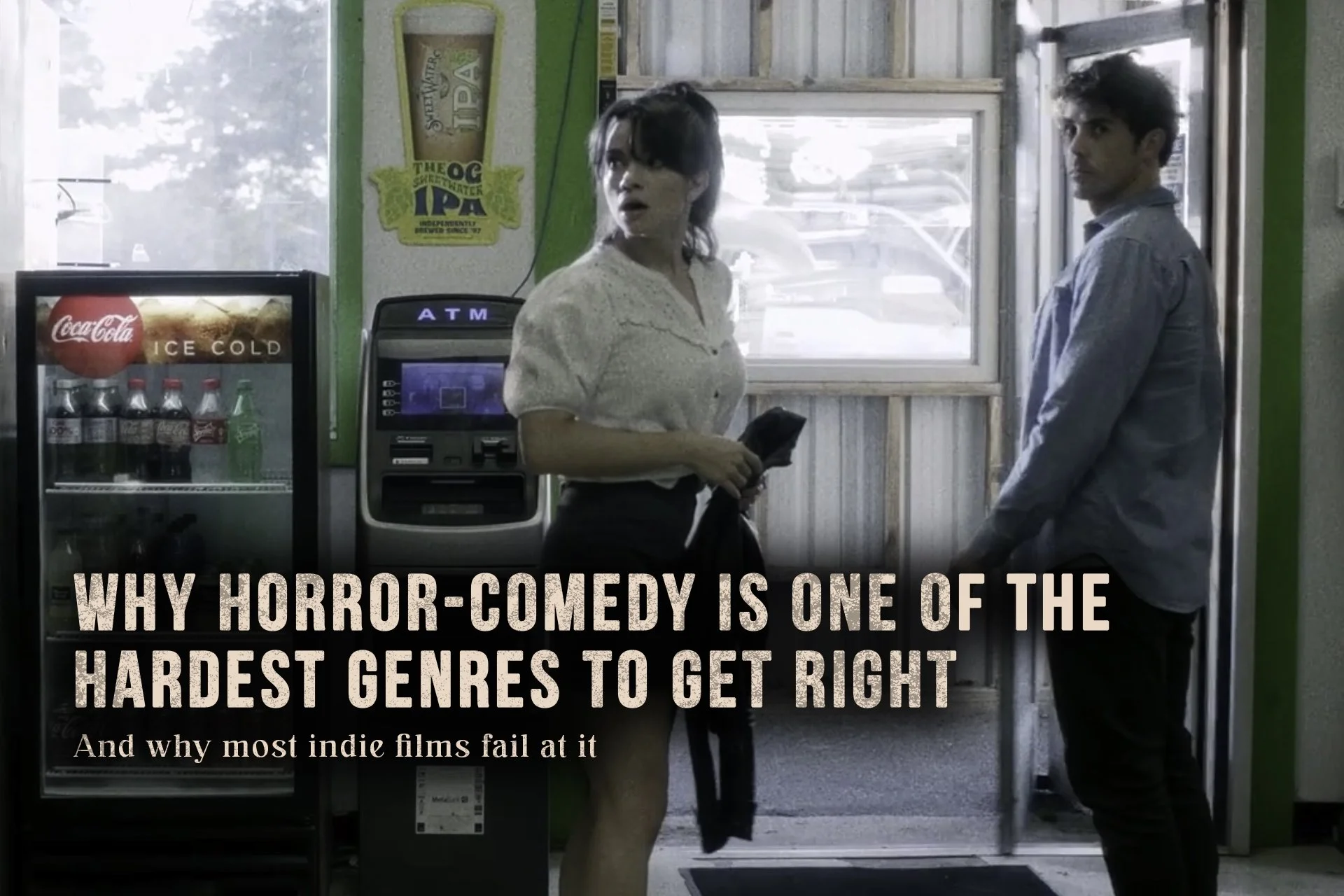
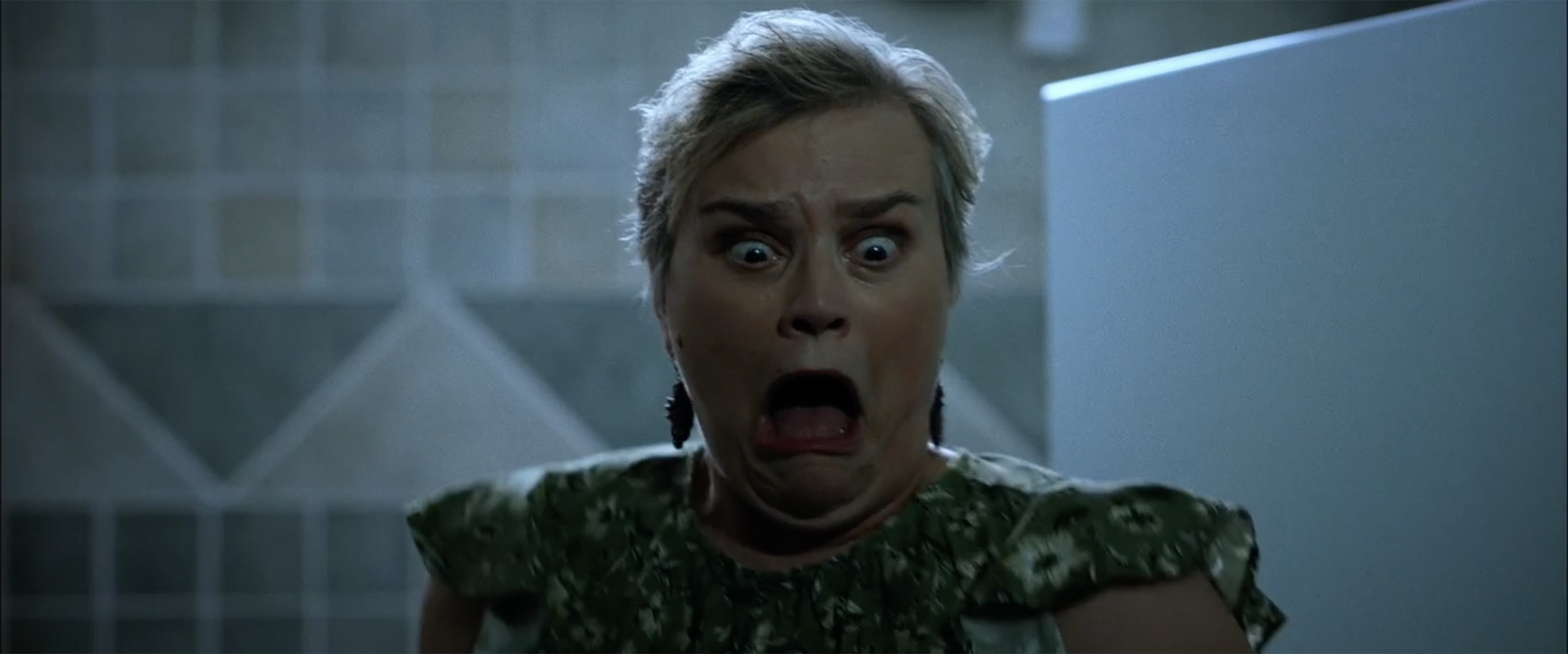
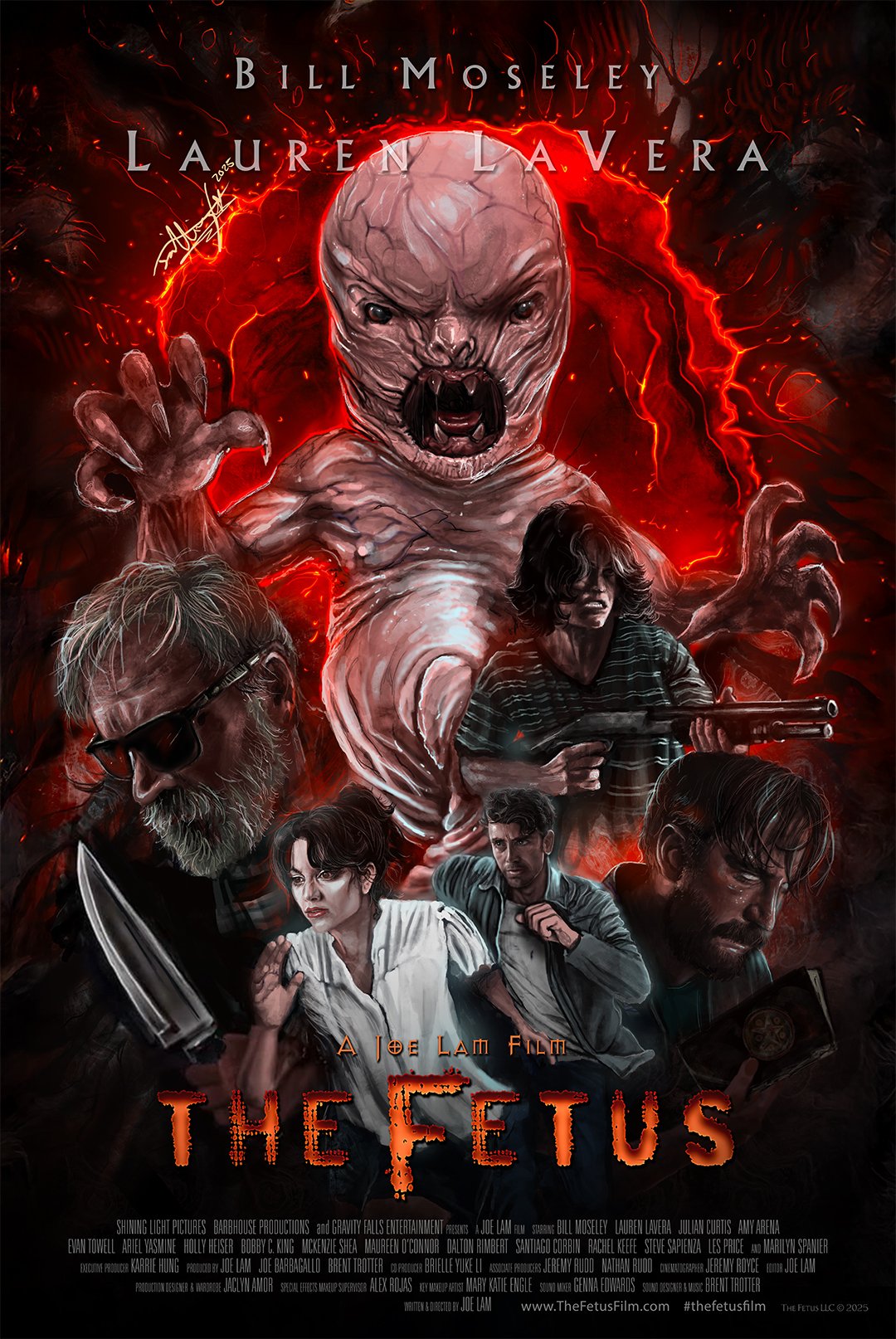
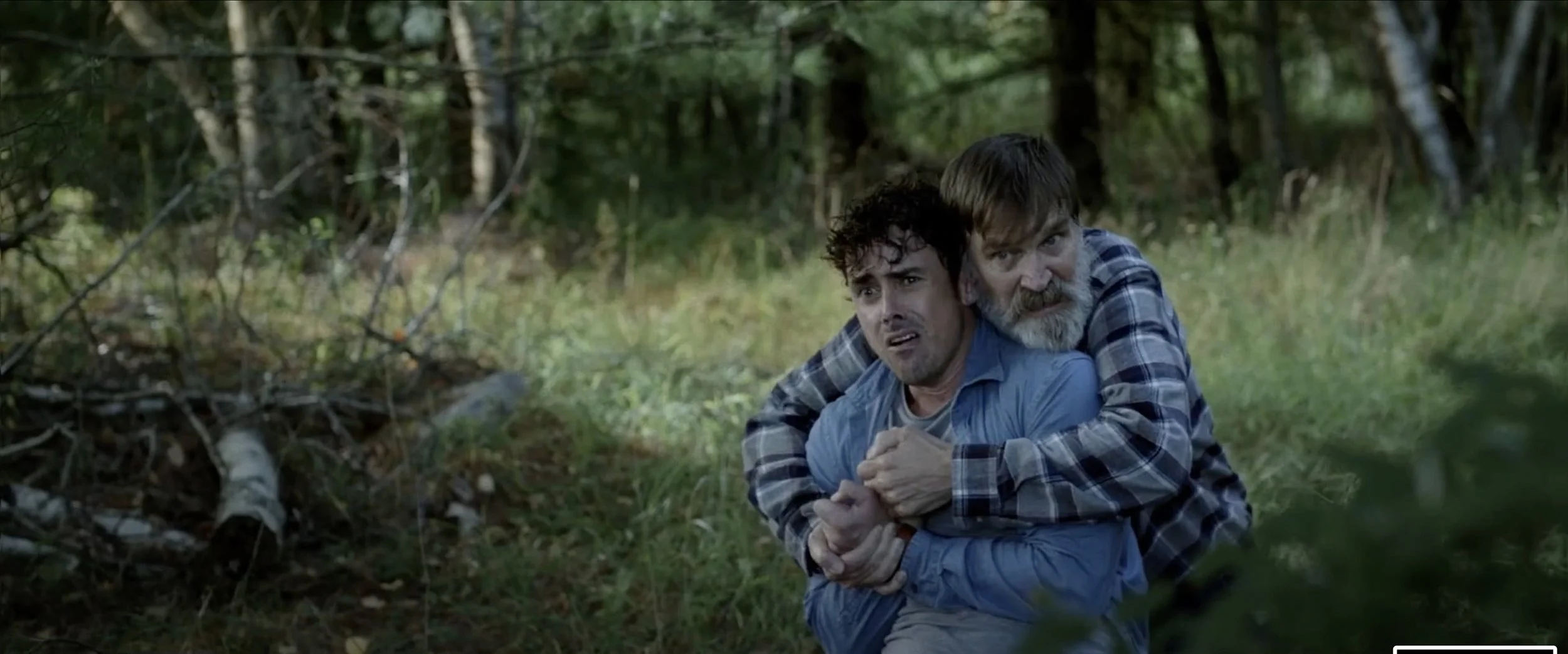
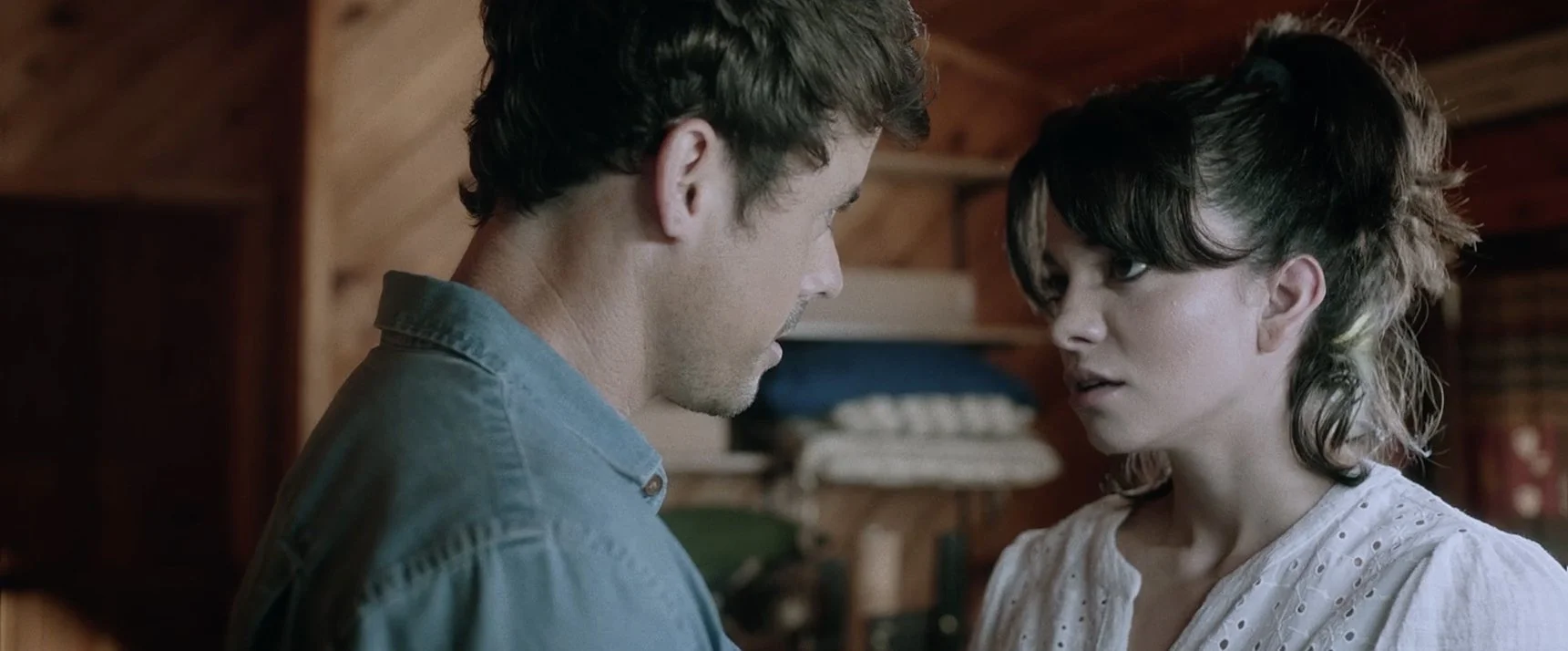
Horror-comedy is exploding in the indie film world and few movies embody this genre shift more boldly than The Fetus. What happens when you combine a blood-soaked fetus monster with absurd humor, hand-built practical effects, and a disturbingly human emotional core? You get a film that blurs the boundary between fear and laughter.
As I explore in my new book Delivering The Fetus, the film reflects a growing trend: horror filmmakers using comedy not to soften terror, but to intensify it. Indie horror is embracing the outrageous and audiences can’t get enough.
Why Horror-Comedy Works: Fear and Laughter Share the Same DNA
If you’ve ever laughed during a tense kill scene, then instantly wondered what’s wrong with you… you’ve experienced the psychological magic of horror-comedy.
Fear and laughter trigger the same physiological reaction: discomfort. And discomfort is powerful.
As I say in my book Delivering The Fetus:
“My writing style blends horror with moments of situational humor, and The Fetus walks a tightrope between outrageous gore and laugh-out-loud absurdity."
Like Evil Dead II, Return of the Living Dead, and Cabin in the Woods, The Fetus embraces that shared space of absurdity and pushes it as far as humanly possible. By pairing grotesque body horror with comedy, the film turns trauma into something strangely relatable, emotionally resonate, and deeply entertaining.
Practical Effects: Why Real Monsters Make Better Horror-Comedy
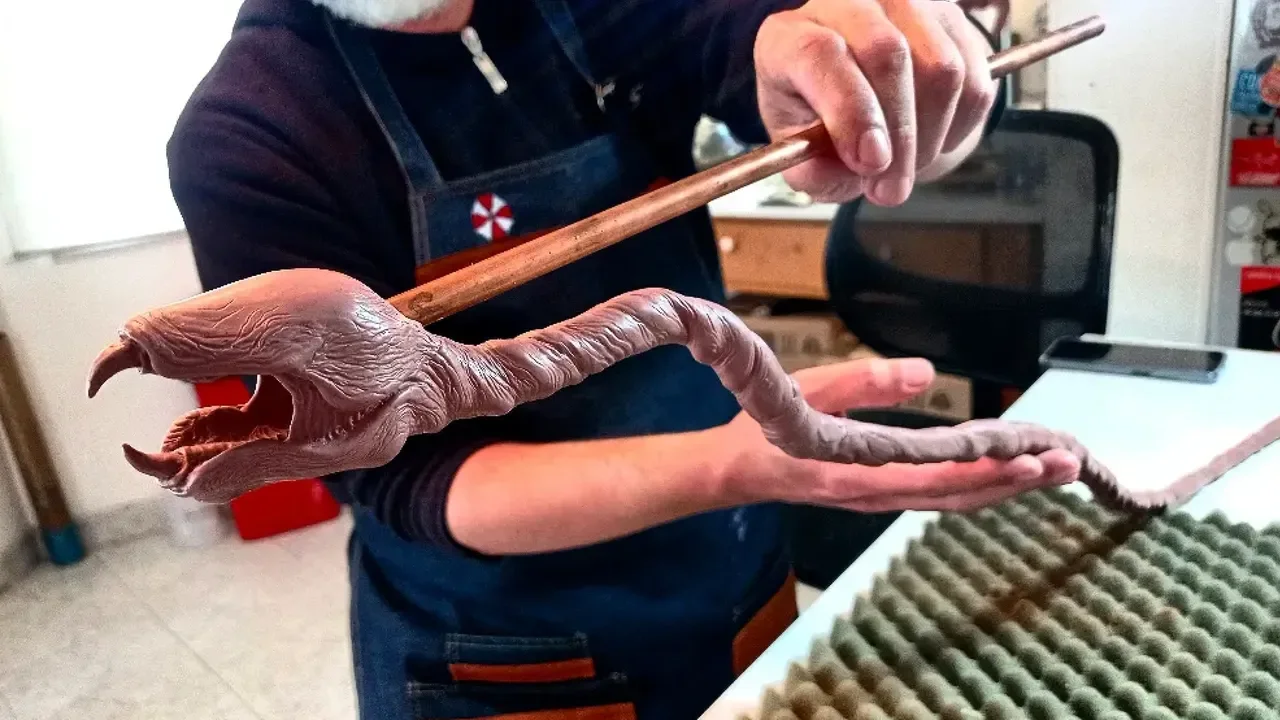
The fetus creature takes shape inside its silicone mold during early stages of practical effects fabrication.
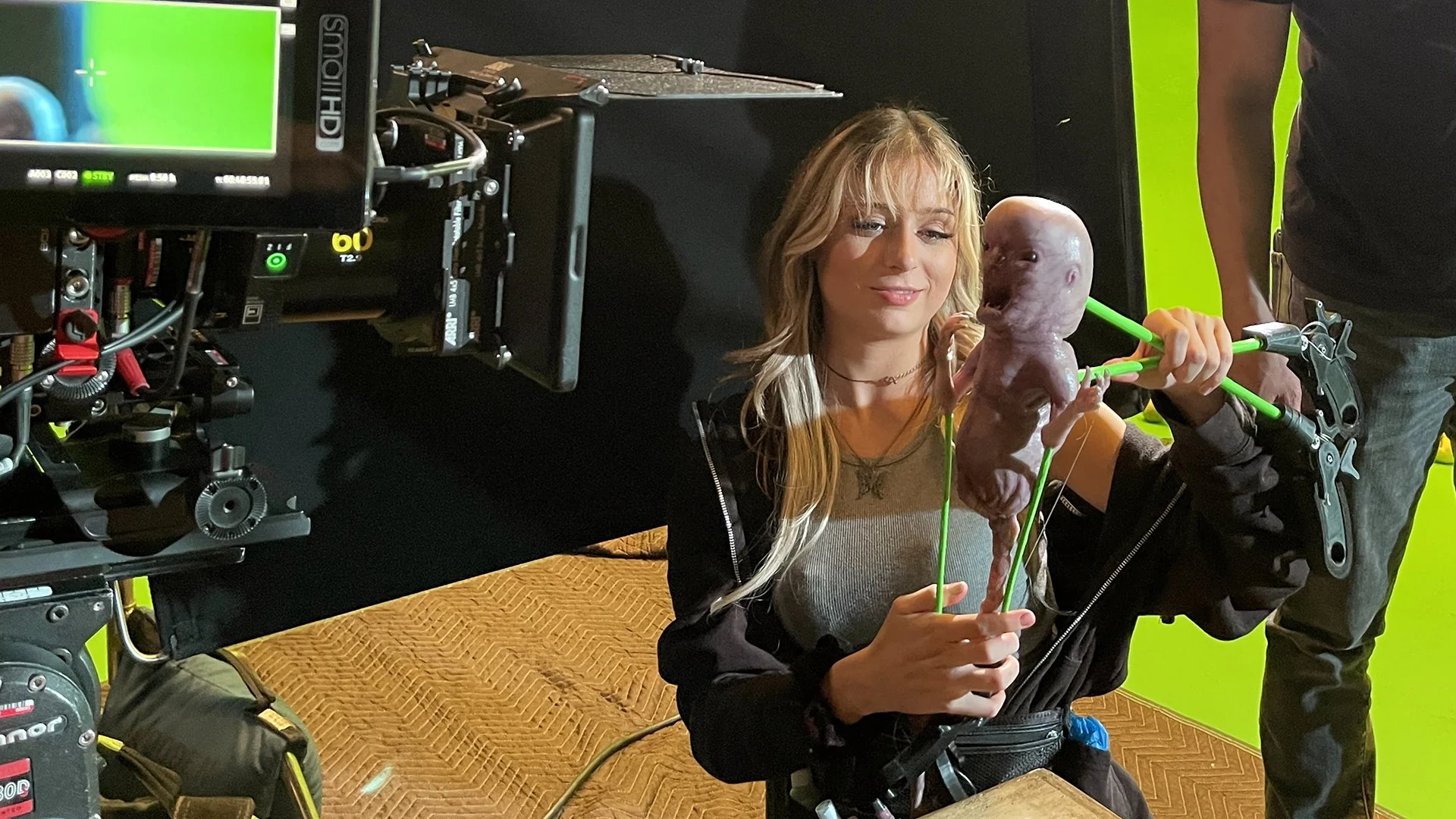
Horror-comedy only works when the world feels tangible. We built the fetus creature practically, layer by layer, stage by stage, silicone, puppeteering rigs, creature prosthetics, and, yes, gallons of fake blood.
While select shots were enhanced in the computer, every squirm, ooze, and gurgle you see came from the real world.
Practical FX strengthen horror-comedy in three ways:
Actors react better to real creatures.
Physical gore adds texture and weight.
Audiences sense authenticity, even in absurd moments.
CGI can be impressive, but it rarely creates the same visceral connection. You can’t improvise with a tennis ball on a stick. But you can capture lightning-in-a-bottle moments when actors face an actual snarling creature puppet as it crawls to feed on its prey.
Balancing Fear and Humor: The Editing Secrets Behind The Fetus
Horror-comedy lives or dies by tone, timing, and pacing. One wrong beat and the spell breaks.
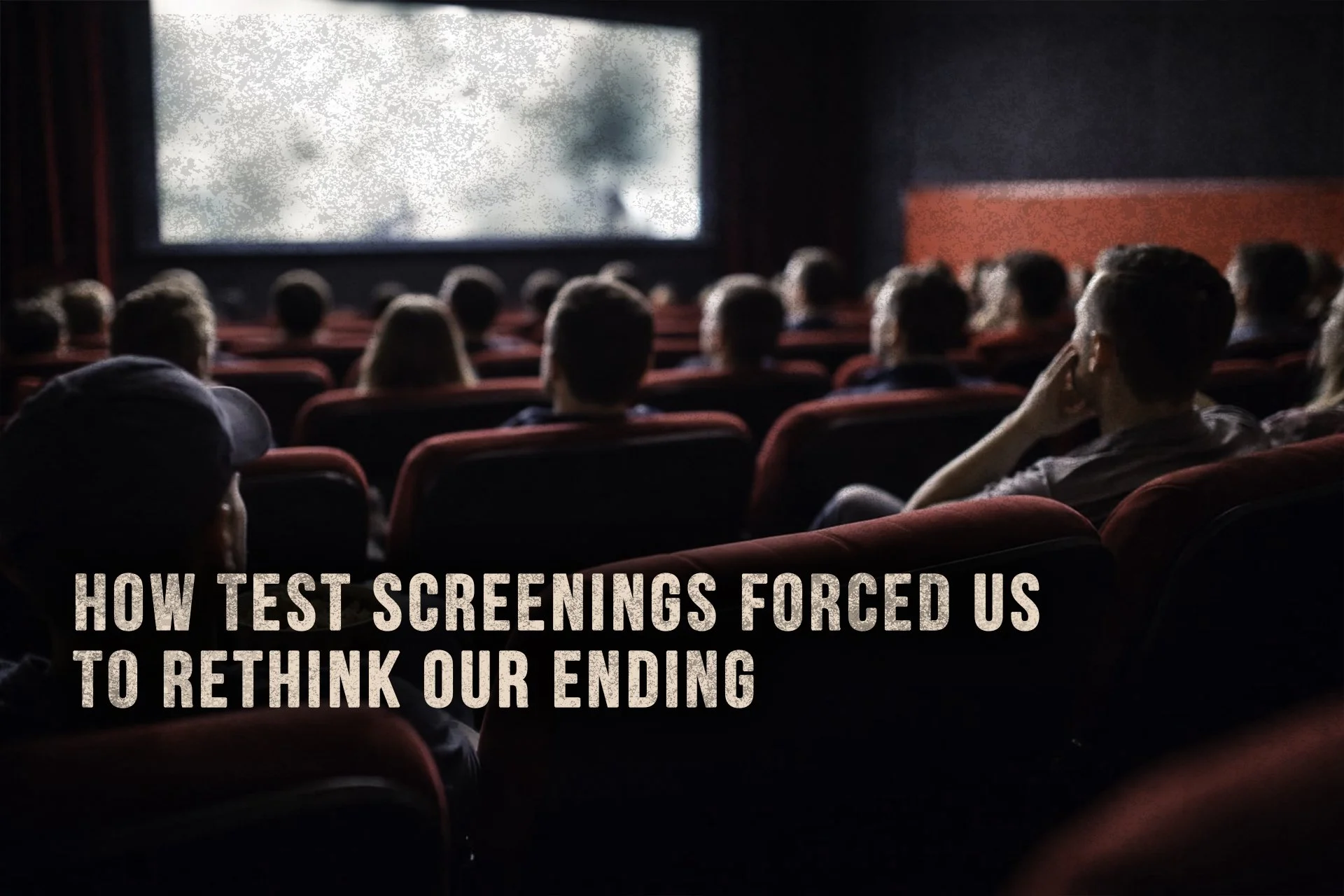
During test screenings, we experimented relentlessly:
Too much dread → Comedy collapsed
Too much comedy → Horror lost all tension
Too much gore → Audiences checked out
Too much absurdity → Narrative fell apart
Finding the “sweet spot of discomfort” took rewrites, edits, reshoots, and brutal honesty from early viewers. That push-and-pull process shaped the final emotional rhythm of the movie.
Moments of true, unsettling fear followed by moments absurd enough to make you question why you just screamed. In total, we conducted four online test screenings, each draft making adjustments for improvement. A majority of the time, it helped improved clarity in the storyline to avoid confusion while also checking to see where the horror and humor landed.
Why Horror-Comedy Is a Goldmine for Indie Filmmakers
Horror-comedy isn’t just a genre, it’s a survival strategy for independent creators.
It’s flexible, affordable, and engineered for strong reactions. It also gives filmmakers permission to break rules that studios would never allow.
As I emphasize in my book Delivering The Fetus:
“You don’t need permission to make something unforgettable. You need a story, a plan, and the guts to get things done.”
Indie filmmakers thrive when they lean into the bizarre, the risky, and the surprising. Horror-comedy offers all three and audiences reward them for it.
One scene in particular involving a character during an intimate moment with a demonic portal produces the biggest laughter because it's both unexpected and completely logical in its ability to progress the story forward.
Key Lessons for Filmmakers from The Fetus
Use discomfort strategically — fear and laughter can enhance each other
Go practical when possible — real effects create real reactions
Treat tone as a weapon — surprise your audience, don’t comfort them
Test relentlessly — screening feedback is your compass
Be fearless — indie horror thrives on bold ideas
About the Author
Joe Lam is the writer-director of the indie horror-comedy film The Fetus and author of the filmmaking book Delivering The Fetus. He specializes in practical effects-driven storytelling and indie film production.
Haven't seen The Fetus yet?
See how it all comes together on screen, watch The Fetus.
Get Your FREE Copy of Delivering The Fetus!
Go behind the scenes of The Fetus and dive into the practical FX, creature builds, and filmmaking chaos that brought this monster to life. Essential reading for indie filmmakers and horror fans who want a deeper look into the nightmare behind the movie.
The Fetus and the Rise of Horror-Comedy: Where Fear Meets Laughter
It all begins with an idea.
Unveiling the Unique Blend of Horror and Humor
Exploring how “The Fetus” transforms fear into dark laughter and laughter into dread.
The art of merging fright and laughter has evolved into a compelling force in modern cinema. The Fetus embraces this delicate balance—blurring the line between terror and absurdity to explore the surreal anxieties of creation, control, and consequence.
As audiences increasingly crave innovative storytelling that challenges convention, The Fetus stands out as a genre-bending experience. It reimagines horror not just as a vehicle for fear, but as a mirror reflecting the bizarre contradictions of life itself.
“We wanted to make something that terrifies you—and then makes you question why you laughed.”
This blend of horror and humor isn’t new, but The Fetus pushes it somewhere deeply psychological and uncomfortably human. Like Shaun of the Dead and Evil Dead II, it balances absurd humor with authentic dread—but unlike its predecessors, it dares to find comedy in the unthinkable.
A Twisted Journey Through Time: The Evolution of Horror-Comedy
From the slapstick chills of Abbott and Costello Meet Frankenstein to the satirical precision of Get Out, horror-comedy has long been a playground for creative subversion. The Fetus continues that evolution, merging physical horror with emotional absurdity to reveal how fear itself can be ridiculous—and how laughter can sometimes mask something monstrous.
Set within an intimate domestic space, the film transforms the familiar into the grotesque. It plays with tone like a weapon—one moment tragic, the next disturbingly funny—creating an unpredictable rhythm that keeps audiences unsteady and engaged.
“Horror and humor come from the same place: discomfort. The trick is deciding when to make people scream, and when to make them laugh.”
Mastering the Balancing Act: Where Terror Meets Humor
Crafting a story like The Fetus requires precision. Too much humor risks breaking the tension; too much dread, and the comedy curdles. The film thrives in that in-between space—where discomfort becomes a punchline and every laugh feels dangerous.
Scenes alternate between intimacy and chaos: the stillness of a nursery, the grotesque absurdity of transformation, the uneasy laughter that slips through fear. This emotional whiplash gives The Fetus its power—it’s not parody; it’s confrontation through irony.
“It’s not about making horror funny—it’s about showing how horror already is funny, in a deeply human way.”
The approach echoes genre milestones like The Cabin in the Woods and Ready or Not, but The Fetus filters that energy through an emotional lens, focusing less on satire and more on the personal terror of creation.
Unmasking the Magic of Practical Effects
In The Fetus, every unsettling moment is grounded in practical, in-camera effects. The film’s tactile world—its textures, transformations, and eerie sound design—anchors its absurdity in reality.
This commitment to physical effects recalls the inventive spirit of Beetlejuice and Gremlins, but with a distinctly modern intensity. By allowing actors to interact with tangible, reactive materials, the film evokes genuine discomfort and spontaneous performances.
“We wanted every effect to feel alive—organic, imperfect, and impossible to look away from.”
For independent filmmakers, The Fetus stands as proof that practical artistry can still outmatch digital perfection. When horror feels touchable, humor becomes sharper, and every moment lands harder.
Embracing a New Era in Entertainment
As The Fetus enters the landscape of contemporary horror-comedy, it represents more than a single film—it’s a statement of creative intent. By merging raw emotion, handcrafted effects, and pitch-black humor, the film redefines how audiences experience fear and laughter as two sides of the same instinct.
Key Takeaways:
Contrasting tones heighten emotional impact and audience engagement.
Practical effects breathe authenticity into absurdity.
Grounding comedy in human fear creates lasting resonance.
“Laughter is our defense mechanism. Horror strips that away.”
The Fetus stands at the edge of a new wave of genre storytelling—one that dares to laugh at the darkness while staring directly into it. For filmmakers, it’s a challenge; for audiences, an invitation to confront their fears through uncomfortable laughter.