Mastering Practical Effects in Low-Budget Horror Films
By Joe Lam — Writer & Director
Published: November 8, 2025
Unveiling the Art of Practical Effects
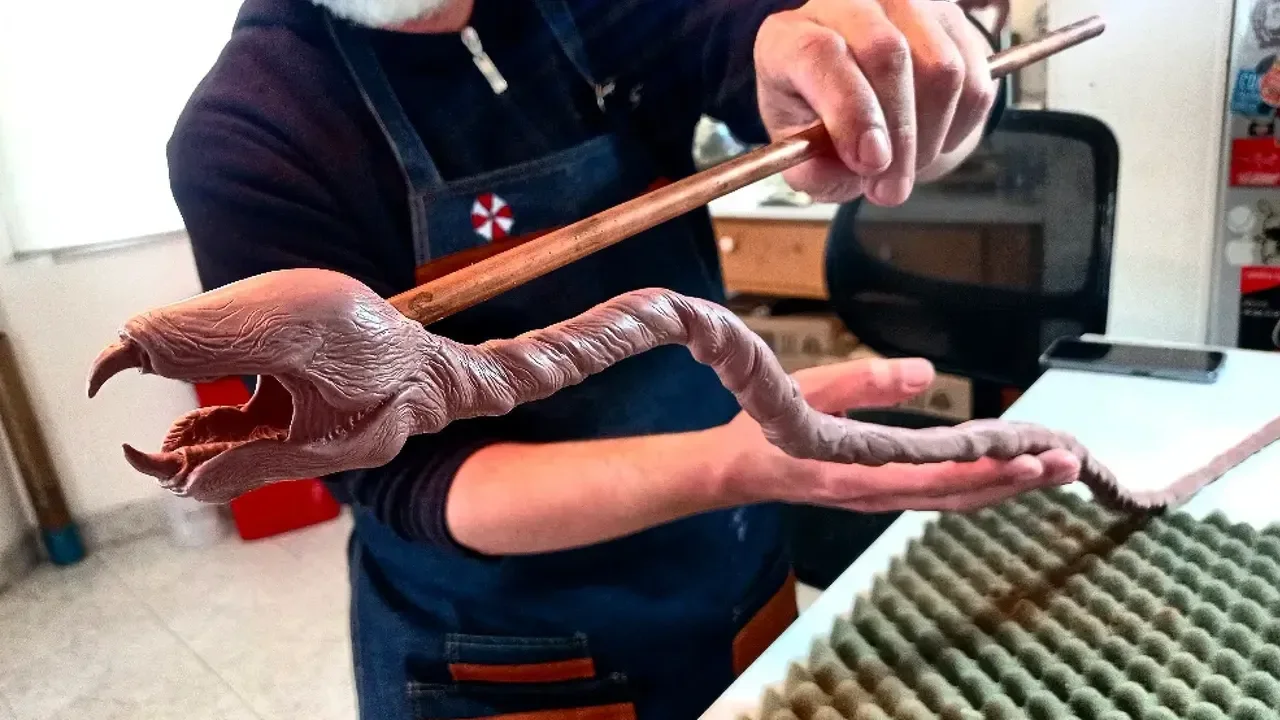
Sculpted creature prosthetic from The Fetus, showing open clawed mouth and extended appendage.
Step into the eerie world where tangible special effects breathe life into nightmare scenarios. In this guide, we explore the unrivaled power of practical effects in horror filmmaking, a technique that transforms scripted scenes into immersive, visceral experiences. As you journey through the detailed how-to sections ahead, you’ll learn the essence of meticulously crafting effects that stand out in low-budget horror films like The Fetus.
Practical effects not only conjure realistic imagery but also foster creative problem-solving vital for on-set challenges. In today’s competitive filmmaking scene, blending art with technical know-how elevates the horror narrative and captivates audiences.
Here’s what you can expect to learn:
How practical effects bridge the gap between imagination and reality.
Techniques to integrate physical effects seamlessly with modern filming practices.
Actionable tips to enhance your projects while maintaining a distinctive local touch.
Prepare to unlock the magic behind blood-curdling screams and spine-chilling visuals, preparing you with industry-relevant insights to overcome production hurdles and transform your creative visions into haunting, unforgettable spectacles.
Crafting Realistic Gore: A Step-by-Step Guide
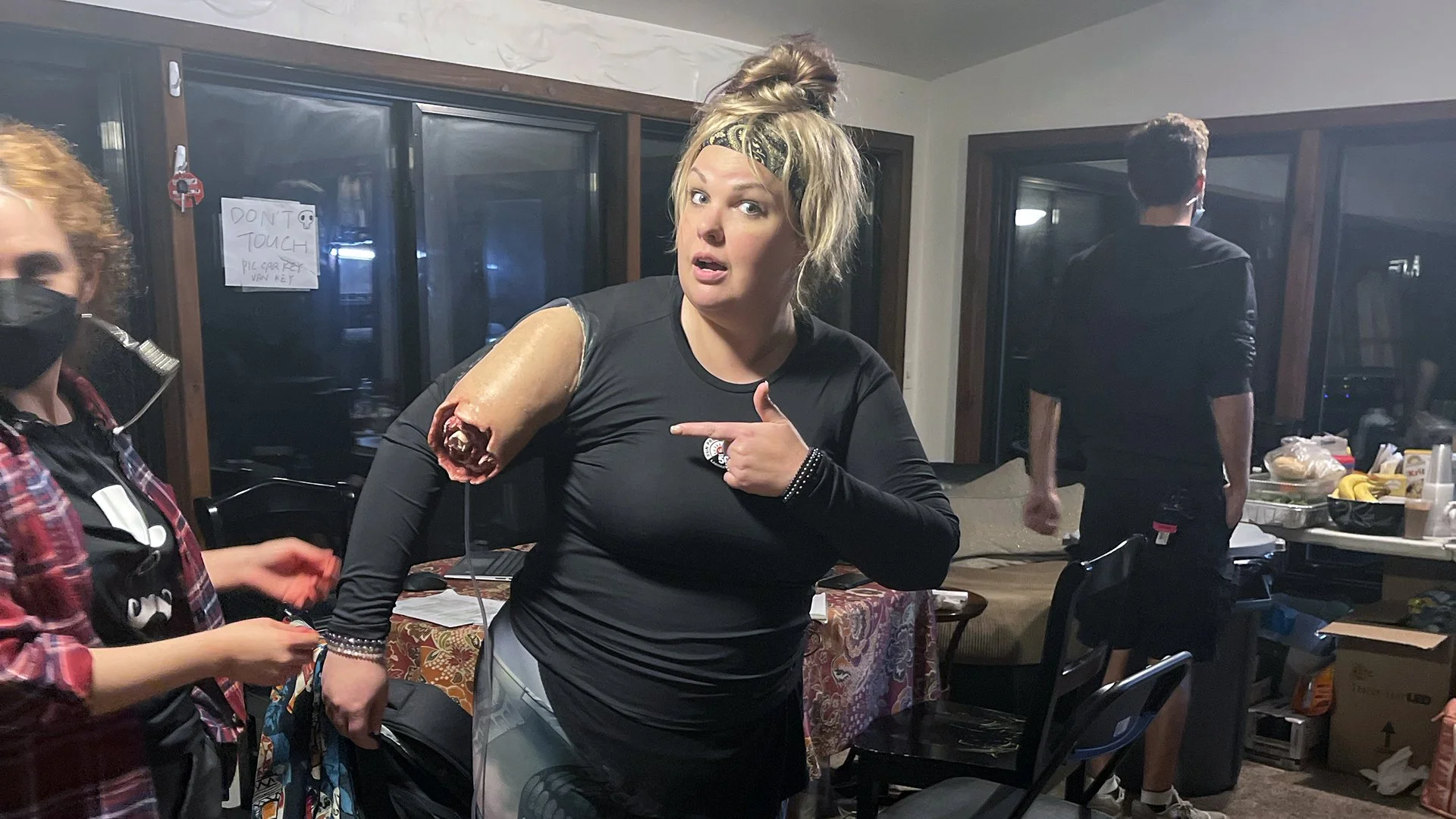
Key Makeup Artist Mary Katie Engle shows off a realistic severed shoulder prosthetic in the indie horror-comedy film The Fetus.
When creating spine-chilling gore effects, preparation is key. Begin by envisioning your scene and establishing a detailed layout of the necessary prosthetics and materials that will bring your vision to life.
During The Fetus, we coordinated with a variety of special effects makeup artists from around he world to create severed limbs, skin wounds, and blood gags.
Follow these steps for a stunningly authentic blood effect:
Define Your Concept:
Sketch a storyboard to visualize where and how blood will appear.
Identify key areas needing emphasis for maximum impact.
Assemble Materials:
Gather silicone, latex, theatrical blood, and textures like sponges or brushes.
Ensure all supplies are compatible with skin-safe protocols, especially for close-up shots.
Build Layers:
Apply a base layer of silicone to mimic realistic skin damage.
Layer theatrical blood gradually, allowing each coat to set; this builds depth and texture.
Use blending techniques to soften edges and create a natural spill effect.
Fine-Tuning:
Test your effects under various lighting conditions to capture the eerie ambiance.
Adjust textures and hues to match the specific scene tone, an essential tip for local film projects aiming for authenticity.
Following these steps will help you achieve professional, blood-curdling effects that enhance the horror experience.
The Practical Effects Toolkit: Materials That Bring Monsters to Life
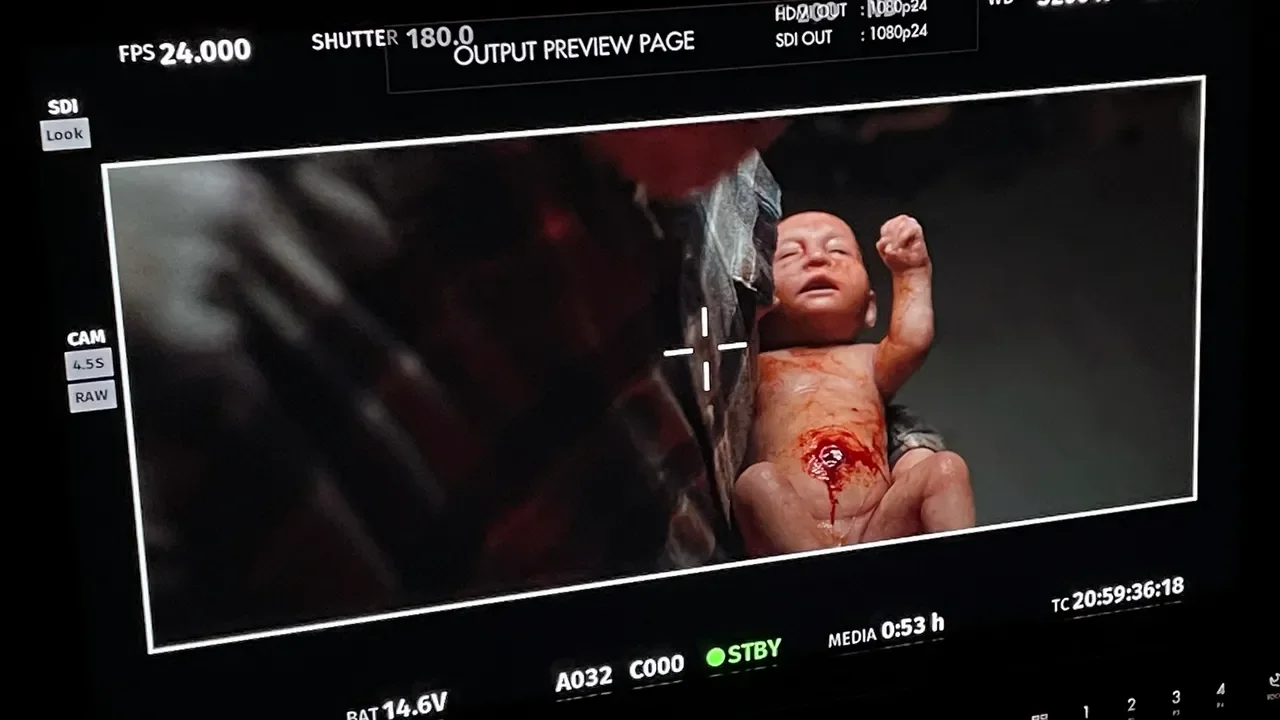
Bloody baby prosthetic from indie horror-comedy film The Fetus as seen on camera monitor during playback.
If you want your horror scenes to feel real, you need the right gear. Practical effects live and die by the materials you use, and on a low-budget set, that toolkit becomes your lifeline. These are the tools that turn “imagine this” into “we’re shooting it right now,” whether you’re splattering blood across a cabin wall or puppeteering a silicone creature like we did on The Fetus.
A strong FX kit should include:
✔ Gore materials (blood formulas, gels, slime, tubing)
✔ Sculpting + casting supplies (silicone, latex, molding compounds)
✔ Adhesives (Pros-Aide, spirit gum, safety glues)
✔ Painting gear (SFX palettes, airbrush, alcohol-activated paints)
✔ Puppetry equipment (rods, joints, trigger rigs)
✔ Safety tools (gloves, ventilation, fire safety items)
✔ Set cleanup + continuity items (wipes, towels, photo reference)
✔ Emergency repair tools (fishing line, gaffer tape, safety pins, glue)
The strength of your effects comes down to detail. The more intentional your materials, the better your scares land. And don’t overlook local suppliers, they’re often your best resource for specialty items and last-minute replacements.
Build a solid toolkit, and you’ll be ready to tackle the unpredictable challenges of horror filmmaking. More importantly, your visuals will feel authentic, tactile, and alive, the kind of work that pulls audiences deeper into the world you’ve created.
Transforming Challenges into Cinematic Moments
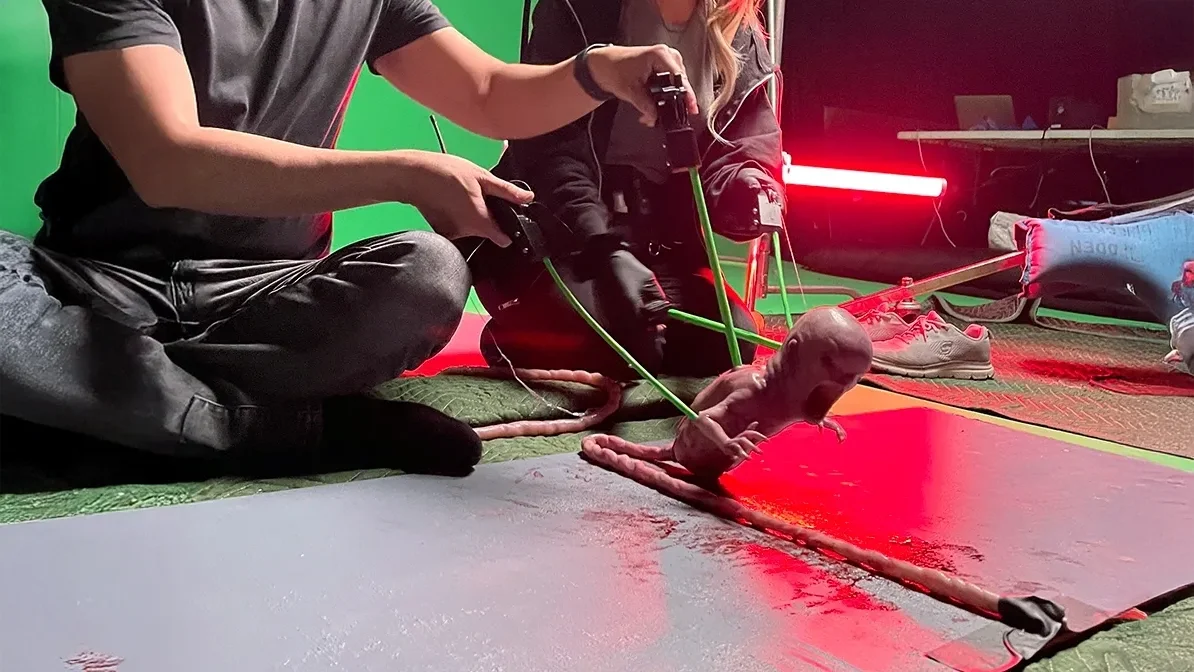
Puppeteering the fetus creature on a green screen stage for the indie horror-comedy film The Fetus.
When creating truly immersive horror experiences, practical effects offer unparalleled realism despite their inherent challenges. Filmmakers often face hurdles such as limited budgets, time constraints, and the meticulous nature of designing dynamic scenes, something we experienced daily while filming The Fetus.
Achieving fluid motion, realistic textures, and convincing props requires both creativity, technical know-how, and hiring the right artists for the job.
Consider the following strategies:
Detailed Pre-Production: Develop comprehensive storyboards and effect layouts to minimize surprises on set.
Rigorous Testing: Conduct thorough pilot tests to refine techniques and materials before shooting.
Collaborative Expertise: Engage with seasoned artisans and technicians who bring practical knowledge and innovative improvements.
Localized Resources: Utilize local talent and regional suppliers to support cost-effective, high-quality material sourcing.
Integrating these approaches creates a robust framework for tackling the complexities of practical effects. Whether working in a well-equipped studio or a modest location, blending creativity with precision allows filmmakers to seamlessly merge suspense with shock. Embracing these solutions not only elevates visual impact but also deepens audience engagement in the world of horror storytelling.
Frequently Asked Questions
What exactly are practical effects in horror films?
Practical effects involve using real-life techniques, such as prosthetics, makeup, animatronics, and mechanical devices, to create believable and tangible scares on screen. These effects enhance authenticity in your horror production without relying solely on digital manipulation.
How do filmmakers plan and budget for these effects?
Budgeting for practical effects requires a detailed breakdown of materials, labor, and special equipment. Filmmakers are advised to allocate funds carefully and schedule additional time for testing and adjustments. It’s important to research local suppliers and rental services to optimize expenses.
What essential safety precautions should be observed?
Safety is crucial. Always implement clear protocols for handling materials, ensure proper training for your crew, and use protective gear. A well-planned rehearsal of each effect can prevent on-set accidents and contribute to smoother production.
Can practical effects be integrated with digital enhancements?
Definitely. Many productions blend practical effects with subtle CGI to amplify visual impact while maintaining a realistic feel. We utilized 200 VFX shots that blended into practical effects, prosthetic makeup, and set design pieces in The Fetus. These effects included green screen removal, smoke, and layered blood & slime.
Where can local filmmakers get additional guidance?
Engage with regional film communities, attend workshops, or consult industry forums to exchange actionable tips and gain further insights.
Final Reflections on Practical Effects Creation
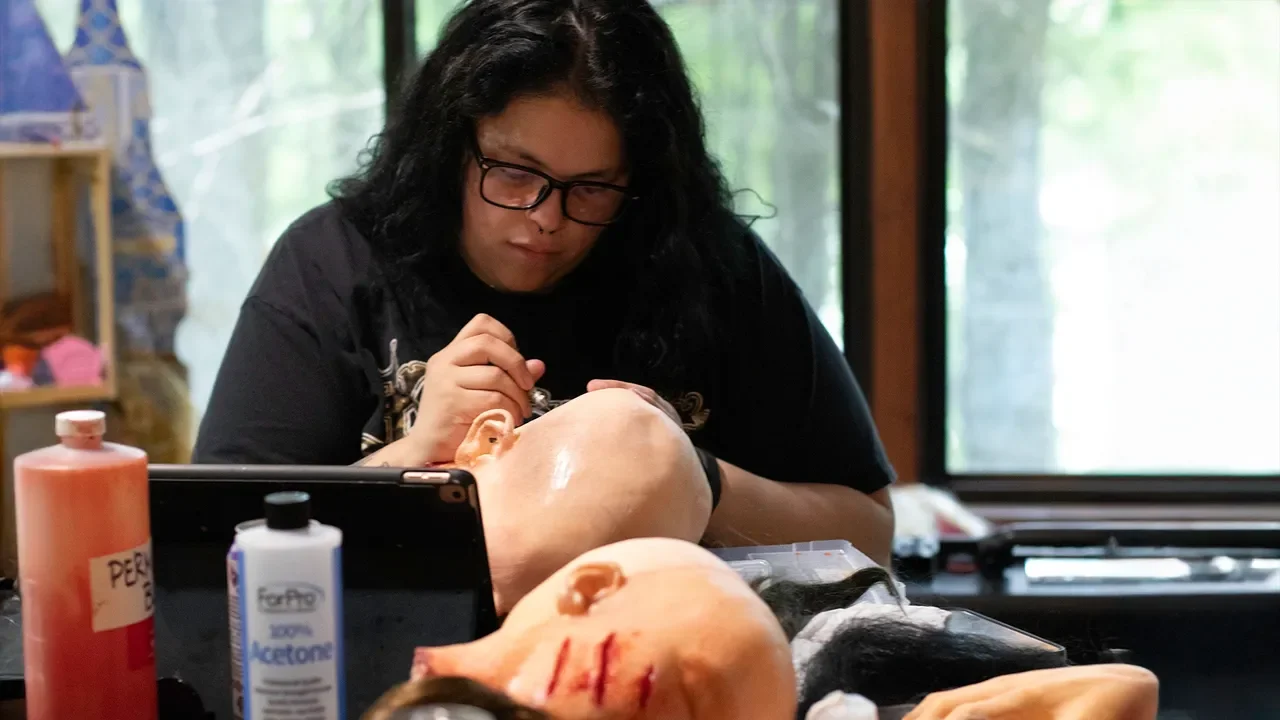
Special effects artist Jade Figueroa meticulously paints a latex head prosthetic during production of the indie horror-comedy film The Fetus,
As you wrap up your exploration of practical effects in horror films, it’s clear that hands-on techniques continue to offer unparalleled authenticity and creative flexibility. Throughout the discussion, several key points emerged: the importance of integrating practical elements with digital enhancements, the role of meticulously crafted makeup and animatronics, and the value of real-world testing to ensure seamless integration on set.
Key takeaways include:
Emphasizing practical effects as a cornerstone for storytelling and audience engagement.
Incorporating detailed, step-by-step processes to blend effects naturally with live-action sequences.
Regularly refining techniques and investing time in practical training sessions.
For filmmakers looking to implement these insights, consider these actionable next steps:
Audit your current production processes to identify opportunities for integrating practical effects.
Experiment with various materials and techniques to enhance your horror aesthetics.
Connect with local film communities to share and learn innovative approaches in practical effects.
Keep pushing creative boundaries, and remember that embracing the art of practical effects not only elevates your film’s credibility but also adds a dynamic, immersive layer to your storytelling.
About the Author
Joe Lam is the writer-director of the indie horror-comedy film The Fetus and author of the filmmaking book Delivering The Fetus. He specializes in practical effects-driven storytelling and indie film production.
Haven't seen The Fetus yet?

Ready to witness the horror? Watch The Fetus starring Lauren LaVera now.
Experience the full horror—and see the practical effects in action.
Get Your FREE Copy of Delivering The Fetus!
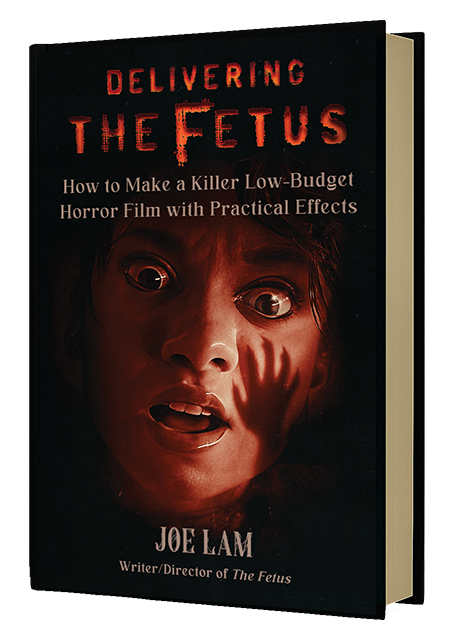
Free filmmaking book by Joe Lam, writer/director of The Fetus, offering step-by-step insights into low-budget horror and practical effects.
Want to dive even deeper into the world of indie horror filmmaking?
Claim your FREE copy of Delivering The Fetus: How to Make a Killer Low-Budget Horror Film with Practical Effects by Joe Lam, the writer and director behind the blood-soaked madness.