How to Adjust When Rain Shuts Down Your Shoot
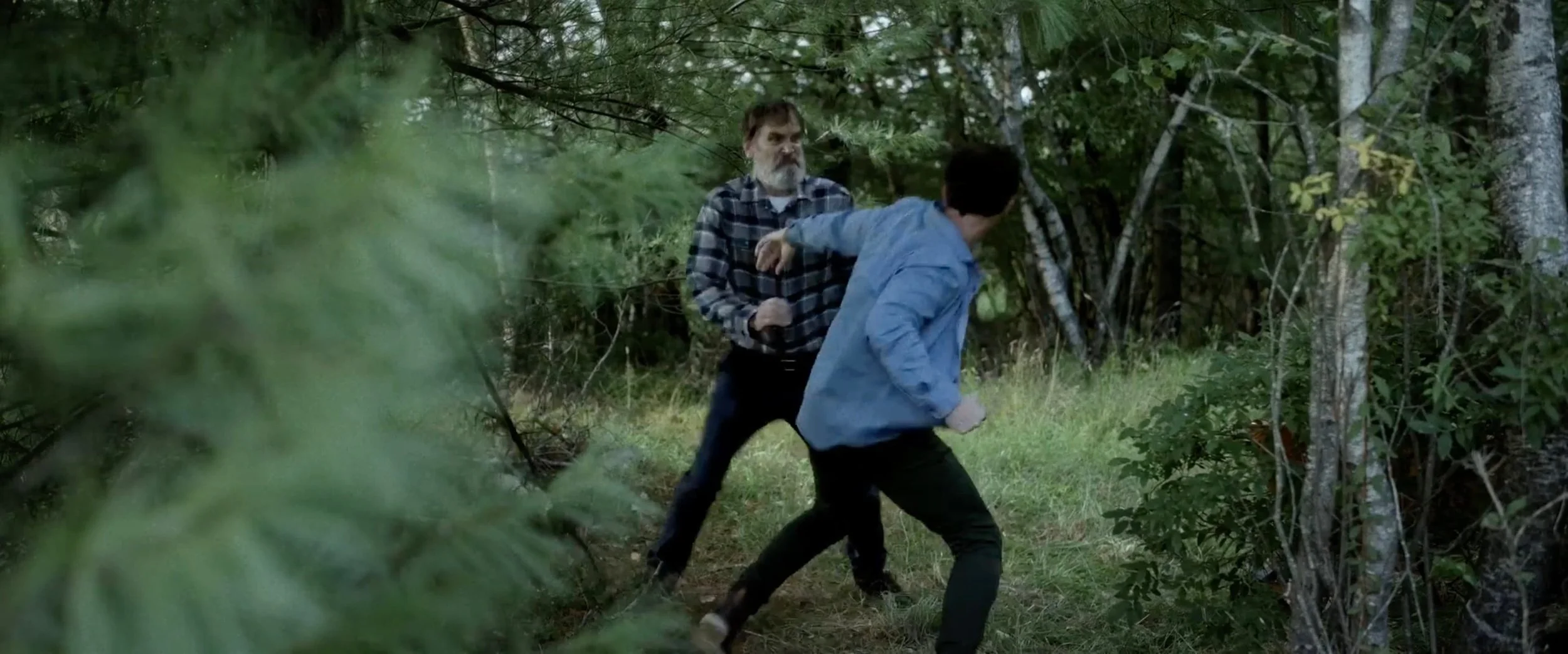
The stripped-down fight we shot after the rain delay — one punch, one grab, Maddox pulling Chris to the ground. Less choreography, more raw tension.
What one rainy forest scene taught us about surviving bad weather on an indie film set.
By Joe Lam — Writer & Director of The Fetus
Published: February 28, 2026
— — —
You can plan every shot. You can scout every location. You can build the most detailed call sheet imaginable. But then it rains, and none of that matters anymore.
On the shoot for The Fetus, we had a full day of forest scenes scheduled. What happened next was one of the most instructive days of the entire production.
What We Had Planned
The forest sequences were critical. The woods are where the film's isolation becomes physical, where the environment stops being backdrop and starts being threat. We had the shot list locked, blocking rehearsed, and a full fight sequence designed between Chris and Maddox as rehearsed by our stunt coordinator, Bobby C. King.
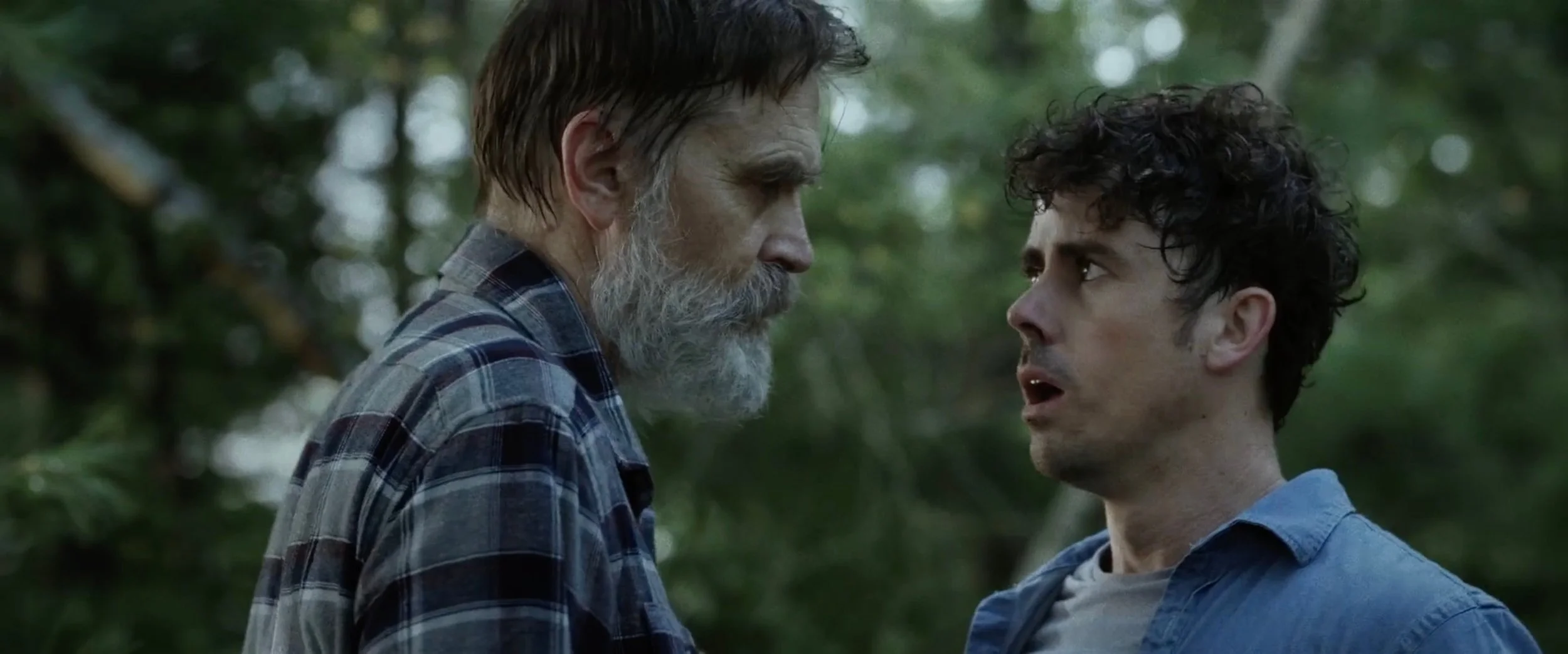
Maddox and Chris, face to face in the forest. The power dynamic the rain forced us to distill into a single grab and a look.
The original choreography was ambitious: multiple punches, a grapple to the ground, an extended argument and a moment where Maddox plants his boot onto Chris in a deliberate display of dominance. We had it broken into multiple camera angles and lighting setups firing from different directions, designed to cut together with real force.
We were ready. Then the rain started.
When the Rain Comes, Protect the Equipment First
The first rule of a rainy shoot day isn't creative, it's physical. The moment the sky opened up, our camera and lighting crew did exactly what they should: they pulled everything into the truck and under canopies immediately. Equipment safe. Shoot paused.
This is the right call every time. If you're a director watching your crew scramble to protect equipment, your job in that moment is to stay out of their way and start thinking about what comes next.
Get Honest About Your Window
Once the equipment was safe, the real question became: how much time do we actually have?
This is where our cinematographer Jeremy Royce was invaluable. Rather than optimism, "maybe it clears in an hour, maybe we get most of it", Jeremy gave me the honest assessment: cut the scene to the bare minimum shots required to make it work. With the rain delay already burning into our 12-hour shift, we'd be lucky to have 30 minutes of usable shooting time once the sky cleared.
Going into overtime wasn't an option. Overtime doesn't just cost money, it kills morale. It's a tax on every person who has already given everything to the day. A good cinematographer will tell you the truth about time. Listen to them.
Prioritize Your Scene: What Can't You Lose?
With 30 minutes on the clock (maybe), we had to ask the hard question: what is the absolute minimum this scene needs to function?
For us, the Chris and Maddox fight existed to establish one thing: Maddox's physical dominance over Chris. The boot-on-chest moment, the multi-angle coverage, the extended choreography, those were the ideal version. The essential version was simpler: a single punch from Chris, a grab by Maddox, and Maddox pulling Chris to the ground. Stripped back, but the power dynamic was intact.
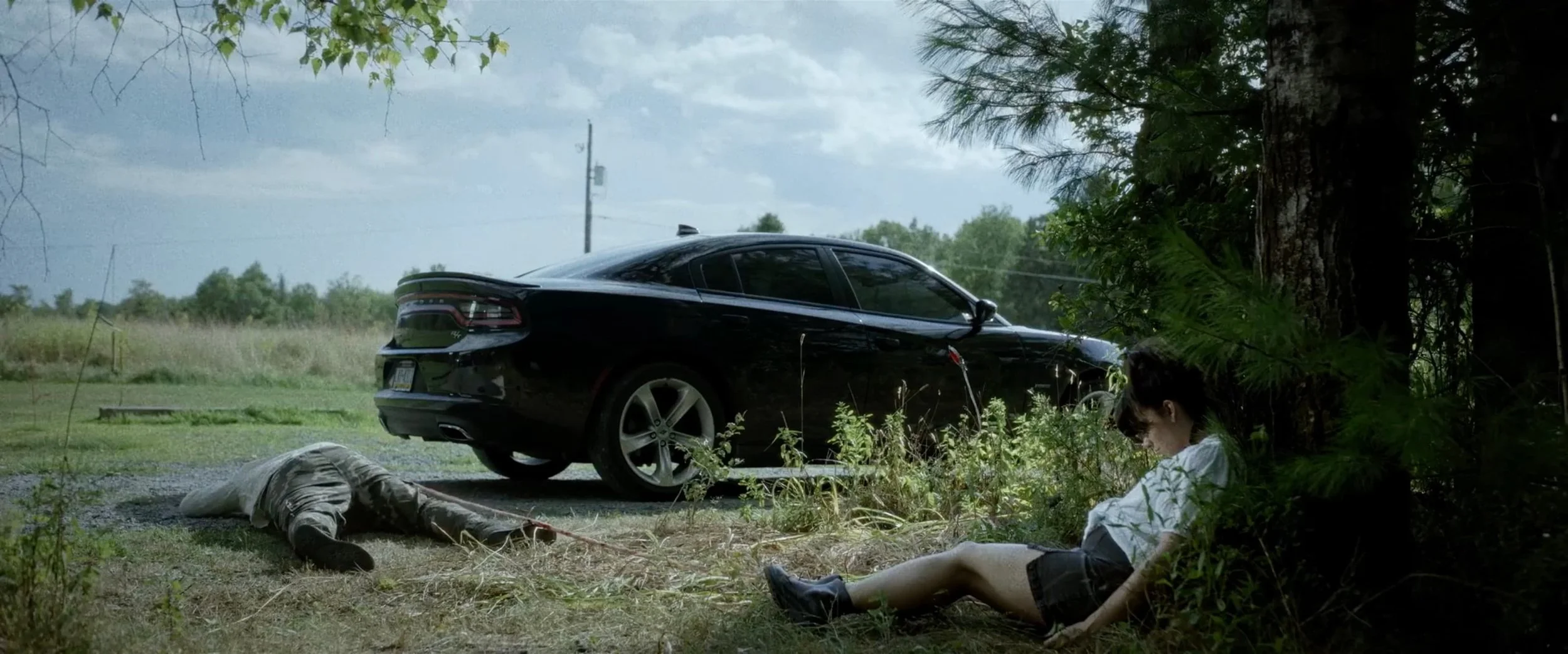
The wide shot establishing the full scene — the fetus attack that Chris and Maddox are forced to witness.
We also had another critical story beat in this sequence where the fetus emerged from Alessa's body to attack an unsuspecting driver. We'd already filmed the fetus attack itself. What we still needed was Chris and Maddox's reaction to it. That reaction was non-negotiable. It's what makes the horror land for the audience.
Prioritize your scene by asking: what does the audience need to understand, and what was just making that understanding more cinematic?
Shoot Efficiently: Wide, Medium, Closeup
With the scene reduced to its essentials, we executed as efficiently as possible. The full fight in wide, two takes. The same in medium, two more takes. Then, once Chris and Maddox were on the ground watching the attack unfold, we captured their combined closeups in a single shot.
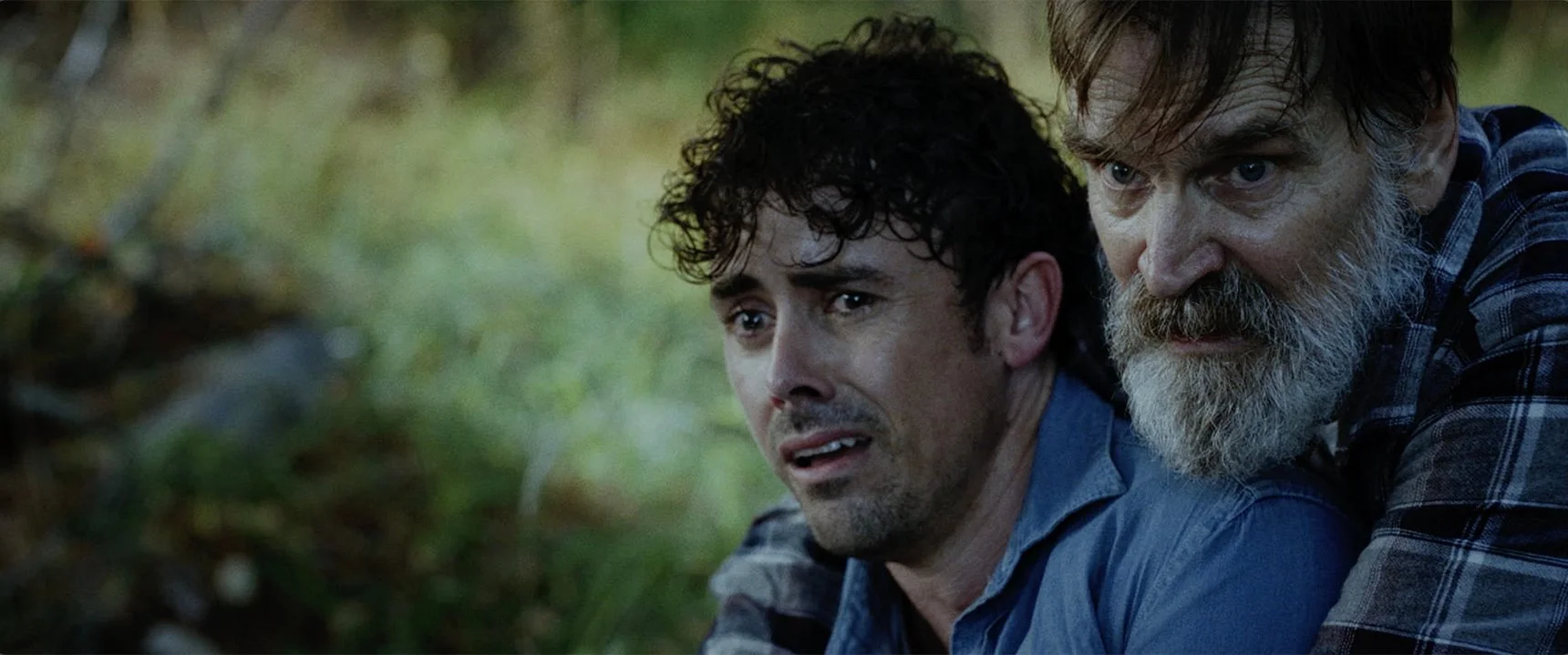
Chris and Maddox watch helplessly as the fetus attacks — a closeup captured in a single take after rain cut our shoot day to 30 minutes.
One lighting setup. Three camera setups. All filmed in the same direction. Minimal takes and maximum coverage of what actually mattered.
After the rain cleared, we had exactly 30 minutes as we suspected. We used every one of them and wrapped without overtime.
What the Constraint Gave Us
The fight scene on paper was more impressive. More punches, more coverage, more of the physical brutality we'd mapped out. I won't pretend the shortened version is what I originally wanted.
But here's what it forced: the scene had to live in performance rather than choreography. The closeups of Chris and Maddox on the ground, watching something horrifying unfold, land because there's nowhere else to look. No cutting away. No coverage to hide behind. Just two faces reacting to something terrible.
Constraints have a way of doing that. They strip the scene to what it actually is.
The Rainy Day Playbook for Indie Filmmakers
If a rain day hits your shoot, here's the process that worked for us:
Protect equipment immediately. This is the crew's job, not yours.
Get an honest read on your remaining window from your cinematographer.
Identify the single most essential story beat in the scene.
Strip everything else. Be ruthless.
Shoot wide, medium, closeup. Minimal takes.
Avoid overtime. End the day clean.
Flexibility isn't a fallback. On an indie shoot, it's one of the most important skills you have. The directors who survive difficult days aren't the ones who protect their original plan, they're the ones who make a new one, fast, and commit to it completely.
The rain doesn't care about your shot list. But a good team can still make a scene.
— — —
Joe Lam is the writer-director of The Fetus, a horror-comedy starring Bill Moseley and Lauren LaVera. His book, Delivering The Fetus: How to Make a Killer Low-Budget Horror Film with Practical Effects, is available now at DeliveringTheFetusBook.com.
👁 Haven’t seen the film yet?
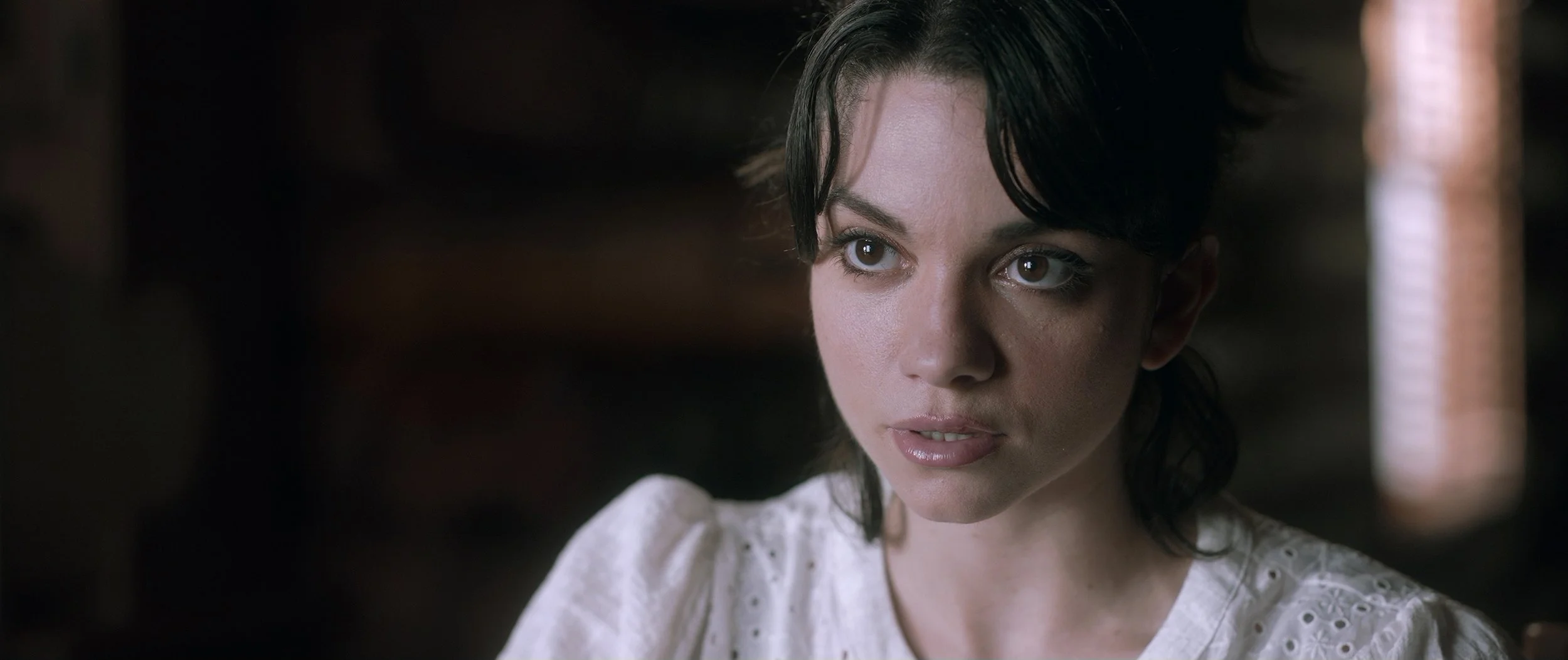
Watch The Fetus starring Lauren LaVera now.
See how it all comes together on screen, watch The Fetus.
👉 Want a free copy of our behind-the-scenes filmmaking book?
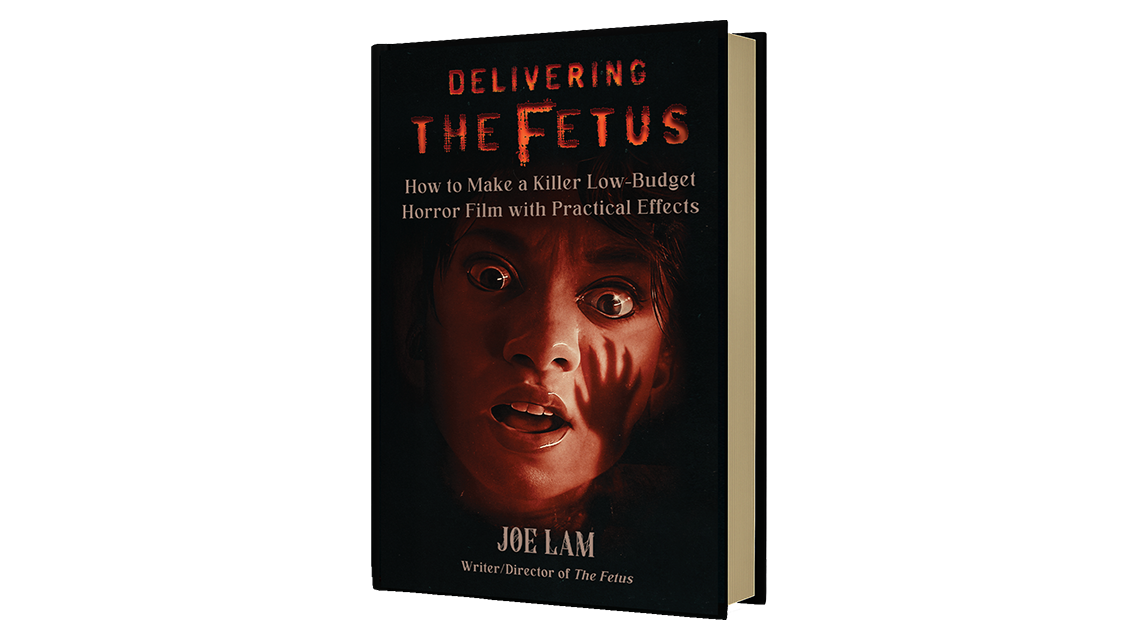
Free filmmaking book by Joe Lam, writer/director of The Fetus, offering step-by-step insights into low-budget horror and practical effects.
Go behind the scenes of The Fetus and dive into the practical FX, creature builds, and filmmaking chaos that brought this monster to life. Essential reading for indie filmmakers and horror fans who want a deeper look into the nightmare behind the movie.