The DIY Indie Horror Lab: Funding, Distribution & Audience Engagement
An inside look at how we raised funds, used practical effects, earned distribution, and built a loyal horror fanbase without a big studio.
By Joe Lam — Writer & Director
Published: December 27, 2025
Crafting a Nightmare on a Budget
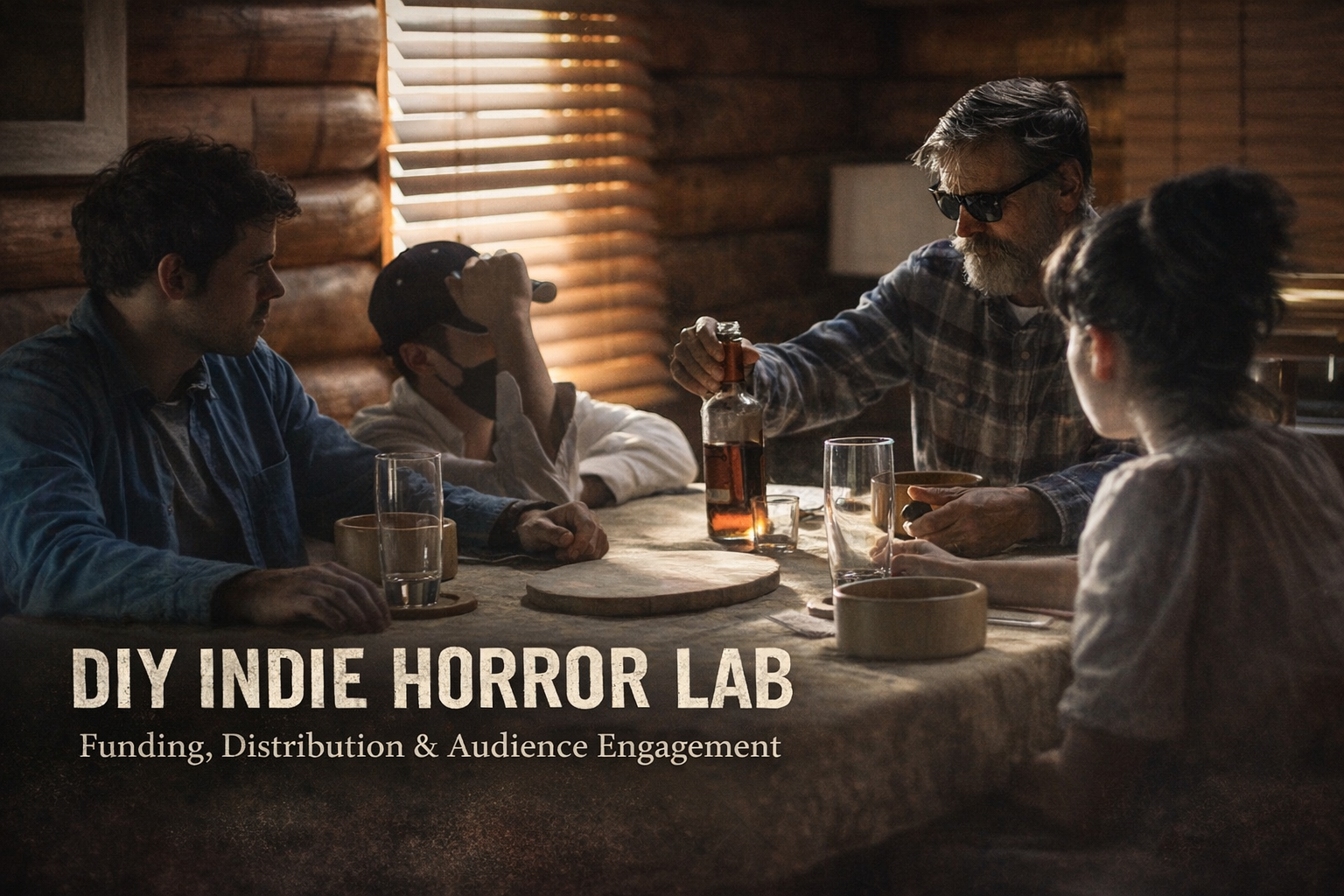
A behind-the-scenes look at the collaborative process on The Fetus, capturing an intimate cabin scene where performance, mood, and practical storytelling came together.
When most people imagine filmmaking, especially horror, they picture massive crews, studio backlots, and multimillion-dollar marketing machines. The reality is far less glamorous and far more interesting.
Some of the most unforgettable horror films are built in small rooms, with limited resources, stubborn determination, and a lot of trial and error.
With The Fetus, our twisted little horror-comedy, we didn’t just make a movie, we built a DIY indie horror workshop. A place where ideas were tested, mistakes were embraced, and every decision was shaped by necessity, creativity, and hustle.
From funding and practical effects to distribution and audience engagement, here is how we put it all together.
Raising the Money
Step 1: Project Presentation
We started with what we had. Grit. A clear concept. And a deep obsession with practical creature effects.
I built a pitch deck, an animatic, and a horror-styled website that positioned the film not only as a creative project, but as a business opportunity. Investors were not just buying into a script. They were buying into a plan.
The goal was simple. Make the vision tangible before a single frame was shot.
Step 2: Private Investment and Crowdfunding
Rather than relying on one large investor, we assembled the budget piece by piece.
Funding came from private equity investors. We began with LinkedIn outreach, local networking events, and niche horror circles.
During post-production, we launched a Kickstarter campaign that offered more than standard perks. The rewards were story-driven, thematic, and designed to live inside the world of the film. Crowdfunding was less about raising money and more about introducing the film to the horror community, creating merchandise, and building momentum before production even began.
Step 3: Strategic Budgeting
We kept the budget lean at $450,000 by making deliberate choices:
Shooting in a tax-incentive state
Reusing locations whenever possible
Designing a VFX-light approach supported by practical effects
Every dollar saved on logistics went back onto the screen.
Our budget later grew to roughly $600,000 after test screenings helped us realize that we needed to raise additional funds for an extended ending. A final $100,000 was added for merchandise and marketing, bringing the total investment to $700,000.
Practical Effects Over Pixel Perfection
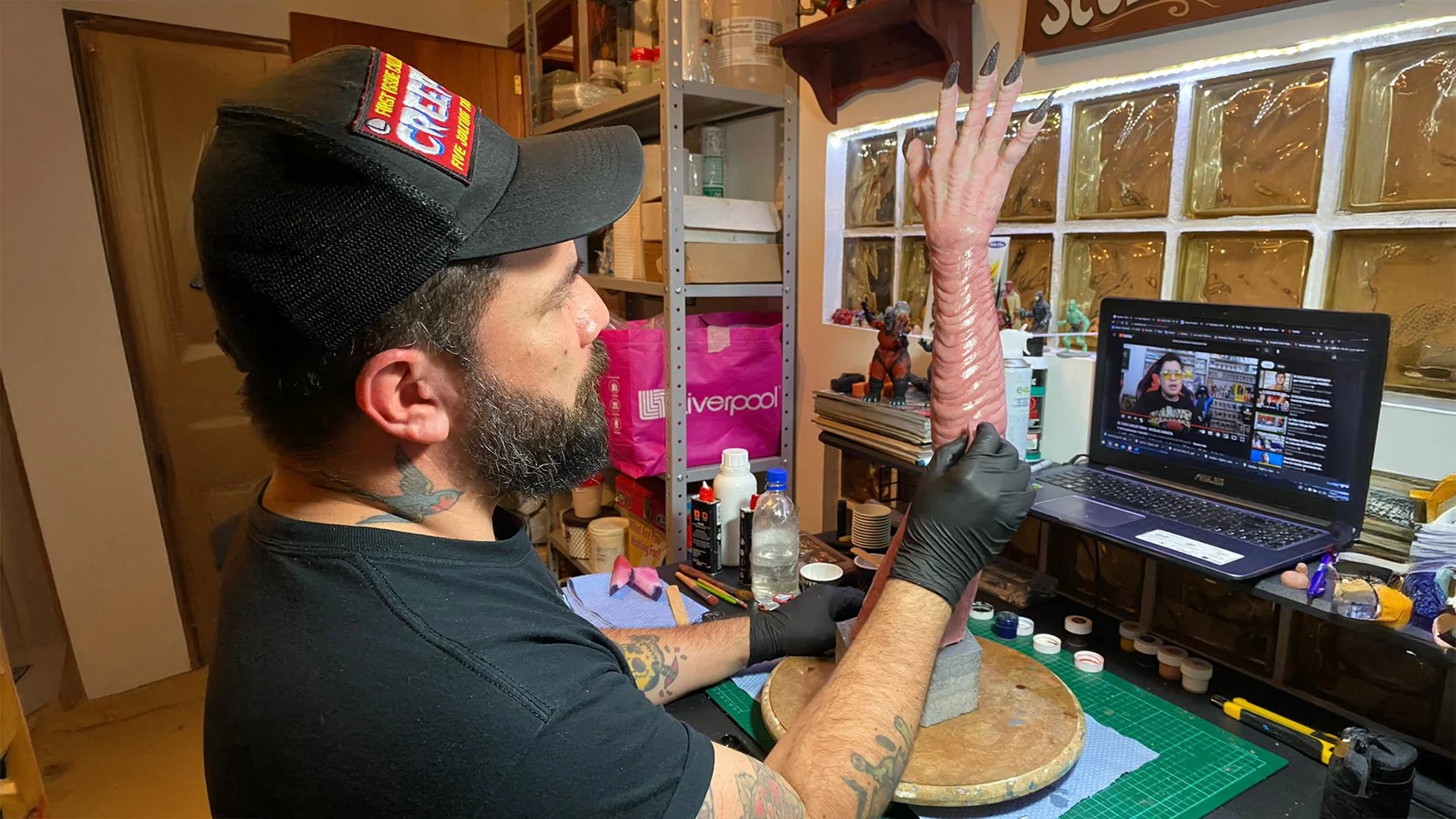
Award-winning practical effects work in progress as the demon arm is sculpted for The Fetus.
We made a conscious bet on practical horror.
The reasons were simple. Practical effects feel visceral. They generate real reactions from actors. And horror fans respect the craft.
From hand-sculpted fetus creatures to old-school puppeteering and gallons of stage blood, we leaned hard into the spirit of 1980s body horror. The result was gore that felt uncomfortable in exactly the right way.
We also treated every effects shoot as a marketing opportunity. Behind-the-scenes footage was captured constantly. What started as production documentation later became bonus content, social media posts, and material for a behind-the-scenes book and documentary.
In the workshop mindset, nothing is wasted.
Merch-First Marketing
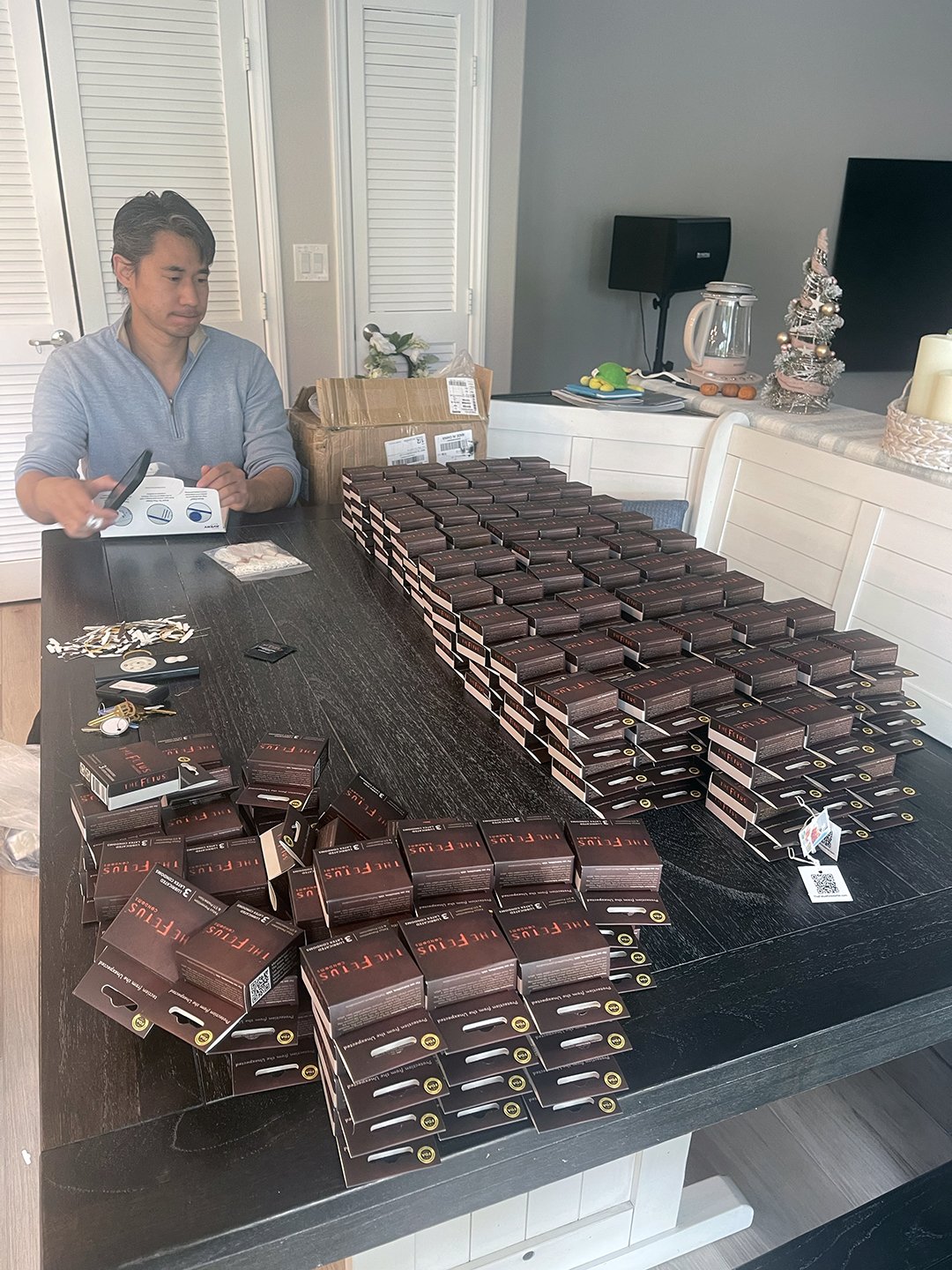
Branded condoms developed as story-driven merchandise for The Fetus, blending dark humor with marketing strategy to spark conversation and audience engagement.
Before we had distribution, we had condoms.
Yes, The Fetus Condoms became one of our first viral merchandise items. They worked because they matched the tone of the film. Shocking, funny, and darkly thematic.
That single product opened the door to a much larger merch strategy, including:
Collector posters
T-shirts, including the “Shadow of Fear” edition
Coffee mugs featuring character portraits
Limited edition bundles sold directly through our website
Merch allowed us to generate cash flow before release, test audience engagement, and prove that fans wanted to support the project beyond just watching the movie.
From AFM to a Distribution Deal
We attended the American Film Market with pitch materials, trailers, and a rough cut. We did not wait for the perfect offer. Instead, we evaluated every opportunity through a clear set of criteria:
Upfront minimum guarantee
Backend transparency
Control of merchandising and intellectual property
Eventually, we partnered with Stonecutter Media, a distributor aligned with our long-term vision. The deal gave us access to VOD platforms where consumers could buy/rent the film while allowing us to retain merchandising rights, which was critical for sustainability.
Distribution was not the finish line. It was another tool in the workshop.
Building an Audience Without Studio Backing
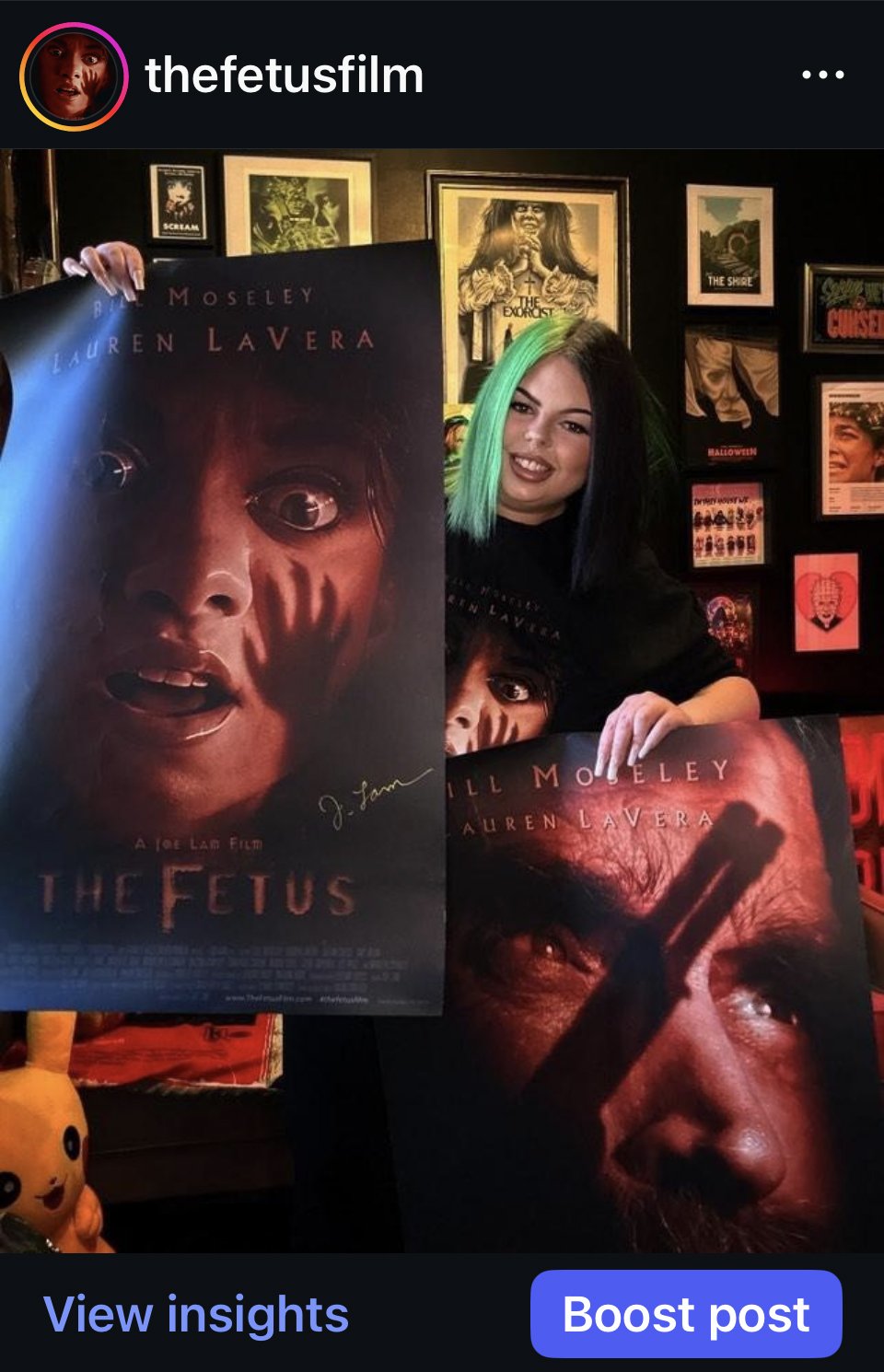
Horror influencer @scaryzaramary showcasing The Fetus collector posters as part of our grassroots influencer outreach and fan-driven marketing campaign.
We did not chase overnight virality. We focused on slow, intentional growth.
That meant:
Partnering with horror influencers who genuinely connected with the film
Running giveaways through platforms like ViralSweep
Growing a Facebook group of dedicated horror fans
Attending conventions and handing out themed swag like branded condom wallets
Creating a behind-the-scenes book and documentary series to deepen engagement
Most importantly, we treated fans like collaborators, not customers. Every repost, comment, and conversation helped shape the community around the film.
Final Build
Making The Fetus felt like building something dangerous in a haunted basement. Messy, unpredictable, and strangely fun.
If you are an indie filmmaker wondering how to raise funds, find your audience, and actually get your film seen, remember this. You do not need permission from a studio to make something unforgettable.
You need a vision, a willingness to connect with an audience, and the discipline to keep showing up.
👁 Haven’t seen the film yet?
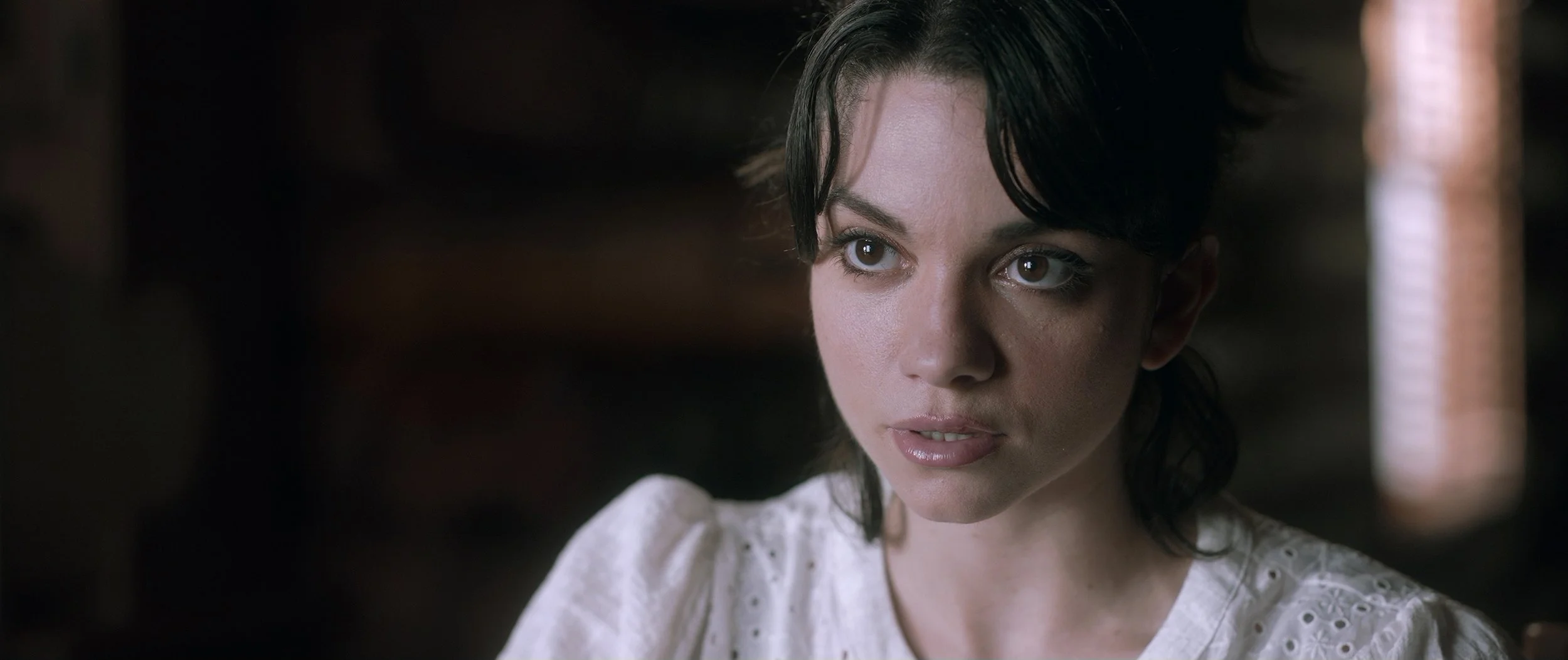
Watch The Fetus starring Lauren LaVera now.
See how it all comes together on screen, watch The Fetus.
👉 Want a free copy of our behind-the-scenes filmmaking book?
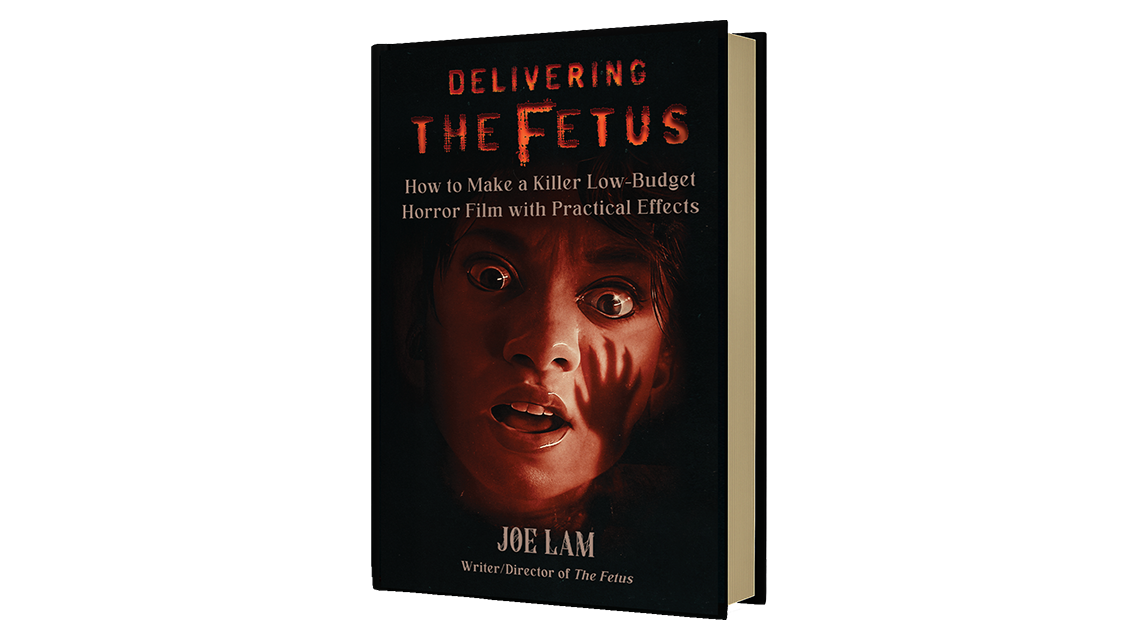
Free filmmaking book by Joe Lam, writer/director of The Fetus, offering step-by-step insights into low-budget horror and practical effects.
Go behind the scenes of The Fetus and dive into the practical FX, creature builds, and filmmaking chaos that brought this monster to life. Essential reading for indie filmmakers and horror fans who want a deeper look into the nightmare behind the movie.