How Test Screenings Forced Us to Rethink Our Ending
By Joe Lam — Writer & Director
Published: January 31, 2026

A private test screening in progress. The moment when audience reactions reveal what’s working and what needs to change.
Nothing hits harder than watching strangers react to your film for the first time, especially when their reaction tells you your ending isn’t working.
Every filmmaker says they want honest feedback.
Until they get it.
Test screenings are one of the most humbling experiences you can put yourself through as a director. You sit in the back of the theater. You don’t explain anything. You don’t defend anything. You just watch strangers react to the film you poured years of your life into.
And when we screened The Fetus, the audience made one thing very clear:
Our ending wasn’t landing the way we thought it was.
The Moment You Realize Something Isn’t Working
On paper, our ending made sense. In the edit room, it made sense. Emotionally, to us, it made sense. But test screenings don’t care about your intentions. They reveal impact.
The audience reactions told us:
The emotional payoff didn’t feel complete.
Certain character arcs, such as Chris and Alessa, felt unresolved.
The escalation didn’t crescendo the way the rest of the film had trained them to expect.
And that’s when it hit me. I could either protect my ego… or protect the film.
The Danger of Falling in Love With Your First Cut
The first cut of a feature feels sacred. You survived production. You survived post. You finally see the movie assembled.
It’s easy to convince yourself that any confusion is the audience’s fault.
“They just didn’t get it.”
But when multiple screenings reveal the same friction points, you have to pay attention.
Patterns matter.
Test screenings aren’t about pleasing everyone. They’re about identifying consistent emotional gaps. When five different people articulate the same discomfort in five different ways, that’s data.
And data is hard to ignore.
What Audience Feedback Actually Revealed
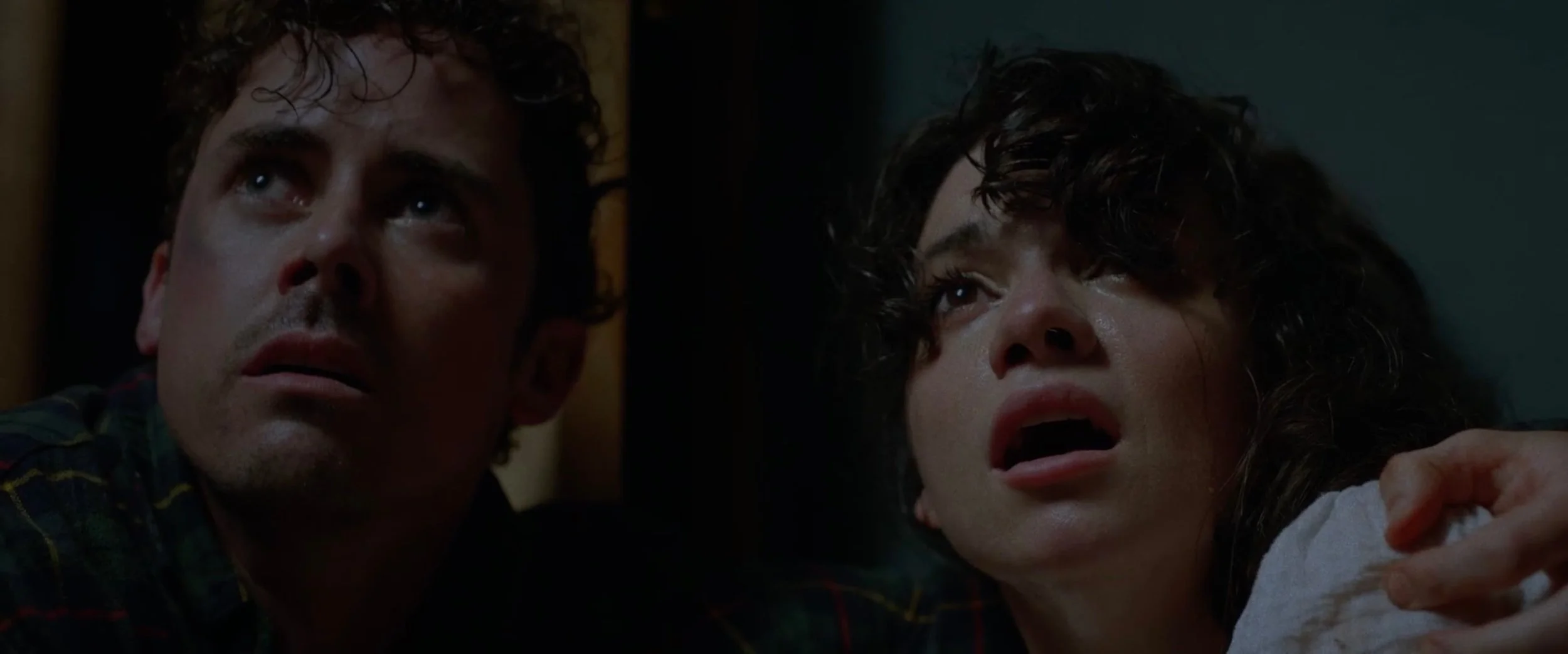
Julian Curtis and Lauren LaVera react to a terrifying moment during the climax of The Fetus, capturing the balance between dread and emotional vulnerability at the heart of the film.
The most important thing the test screenings revealed wasn’t a technical issue.
It was an emotional one.
Horror-comedy is about tone and escalation. The audience needs to feel that the ride builds toward something bigger than where it started.
Our ending resolved the plot, but it didn’t fully resolve the emotional and philosophical arcs for our main characters.
The audience wanted:
A stronger climax.
A more definitive transformation for our leads.
A payoff that felt earned after everything they endured.
That insight changed everything.
Rewriting After You Thought You Were Done
There’s a particular kind of pain that comes from rewriting an ending after you’ve already wrapped production.
It means:
Reopening schedules.
Reassembling crew.
Coordinating actors.
Raising additional funds.
Rebuilding prosthetics.
Re-entering the chaos you thought you escaped.
But here’s the uncomfortable truth:
If the ending doesn’t work, the movie doesn’t work.
You can have great scenes, strong performances, and impressive practical effects. But if the final ten minutes don’t land, then that’s what people remember.
So we made the decision to shoot an extended ending. It’s not something I wanted to do, but something that was necessary to tell a complete story.
The Extended Ending Shoot
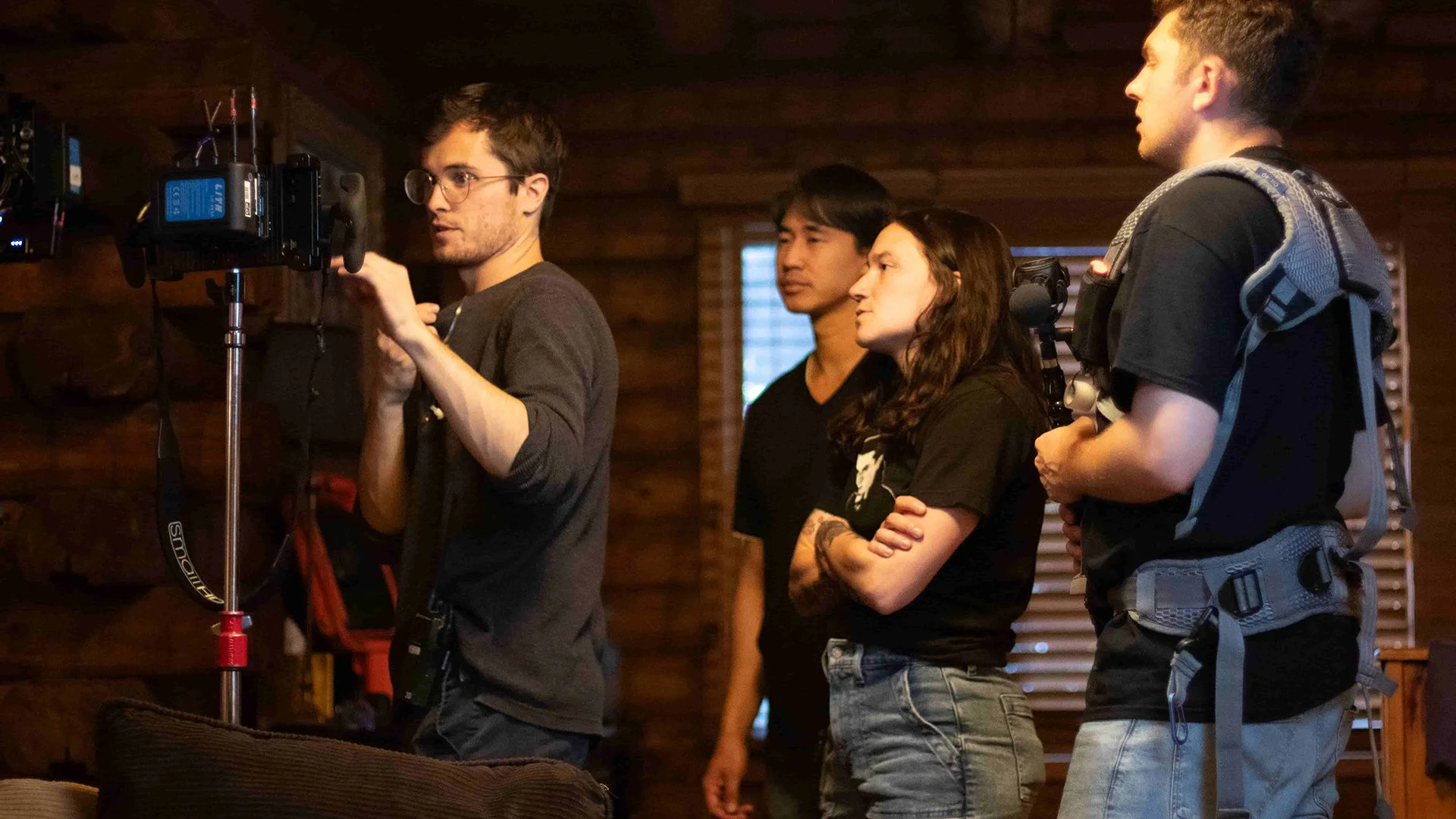
Behind the scenes of The Fetus, the team returned for three days to film an extended ending in Tafton, Pennsylvania.
The additional shoot wasn’t about adding spectacle for spectacle’s sake. It was about clarity and escalation.
We leaned further into:
Physical and emotional confrontation with the main villain.
Visual intensity with added gore.
Experiencing the consequences of what had been building all along.
Closing character arcs.
Returning to film the ending provided us with one last shot to complete the film.
Why Test Screenings Matter (Even When They Hurt)
Test screenings don’t exist to validate you.
They exist to expose blind spots.
As filmmakers, we live with our scripts for years. We understand subtext that no one else sees. We justify choices because we know what we meant.
Audiences don’t care what you meant. They care what they feel.
That difference is everything.
The Ego Test
Test screenings are less about the audience and more about the filmmaker.
Can you separate yourself from the work?
Can you view your film as a product, not a diary?
Can you admit that something you believed in deeply might not be communicating the way you intended?
If you can’t, you shouldn’t hold test screenings.
Because they will challenge you.
For Indie Filmmakers Considering Test Screenings
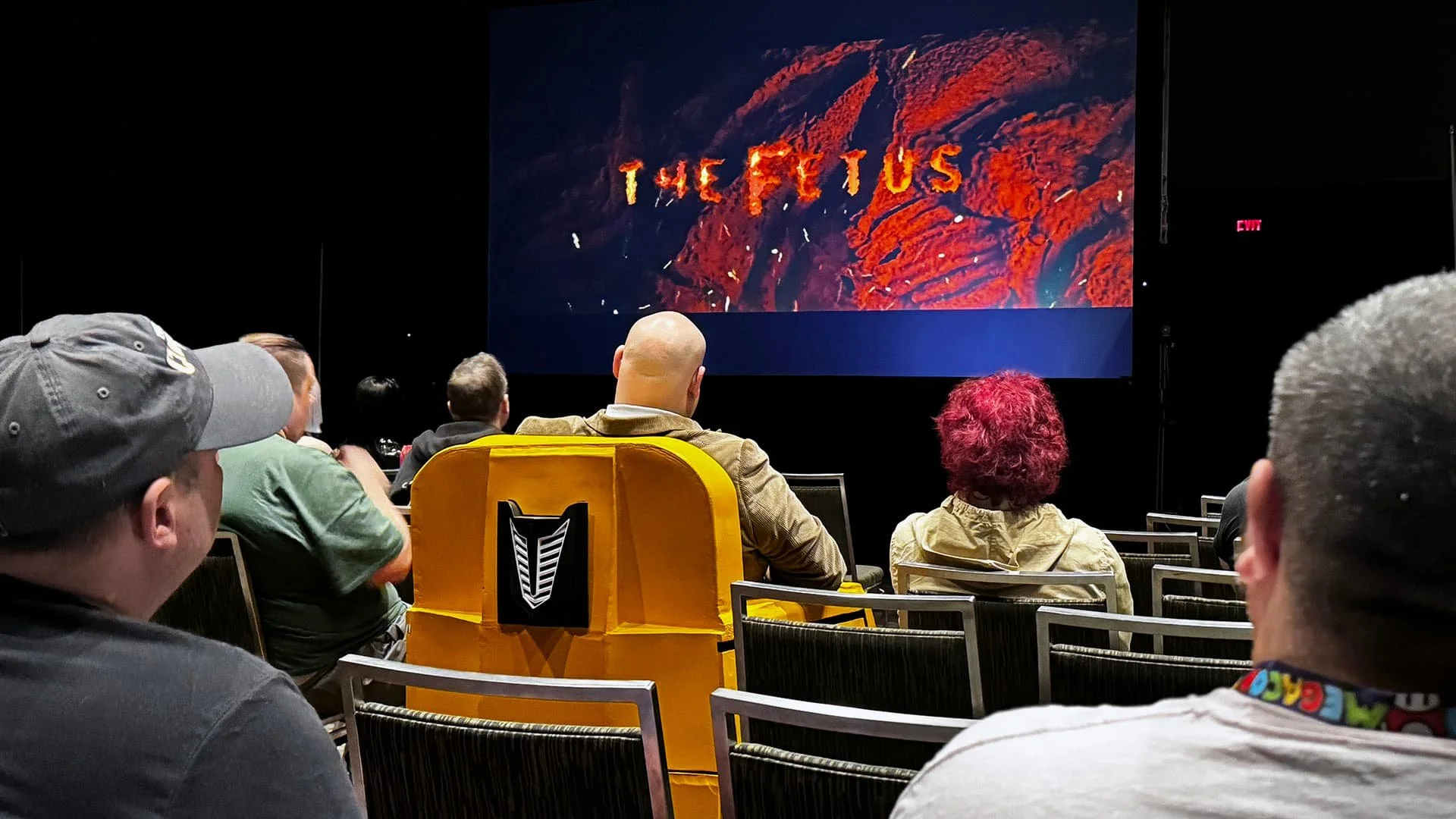
Audience members watch The Fetus during a test screening, where real-time reactions helped shape the film’s final cut and extended ending.
If you’re making your first feature:
Don’t test too early.
Don’t test with only friends and family.
Don’t ask, “Did you like it?”
Instead, do the following:
Ask where they were confused.
Ask when they felt bored.
Ask what they expected that didn’t happen.
You want clarity so people understand what you’re communicating in the story. And most importantly, look for patterns, not opinions.
Final Thought
It’s tempting to believe that finishing the film is the finish line. It’s not.
The finish line is emotional clarity. Test screenings forced us to confront that truth.
And The Fetus is stronger because of it.
👁 Haven’t seen the film yet?
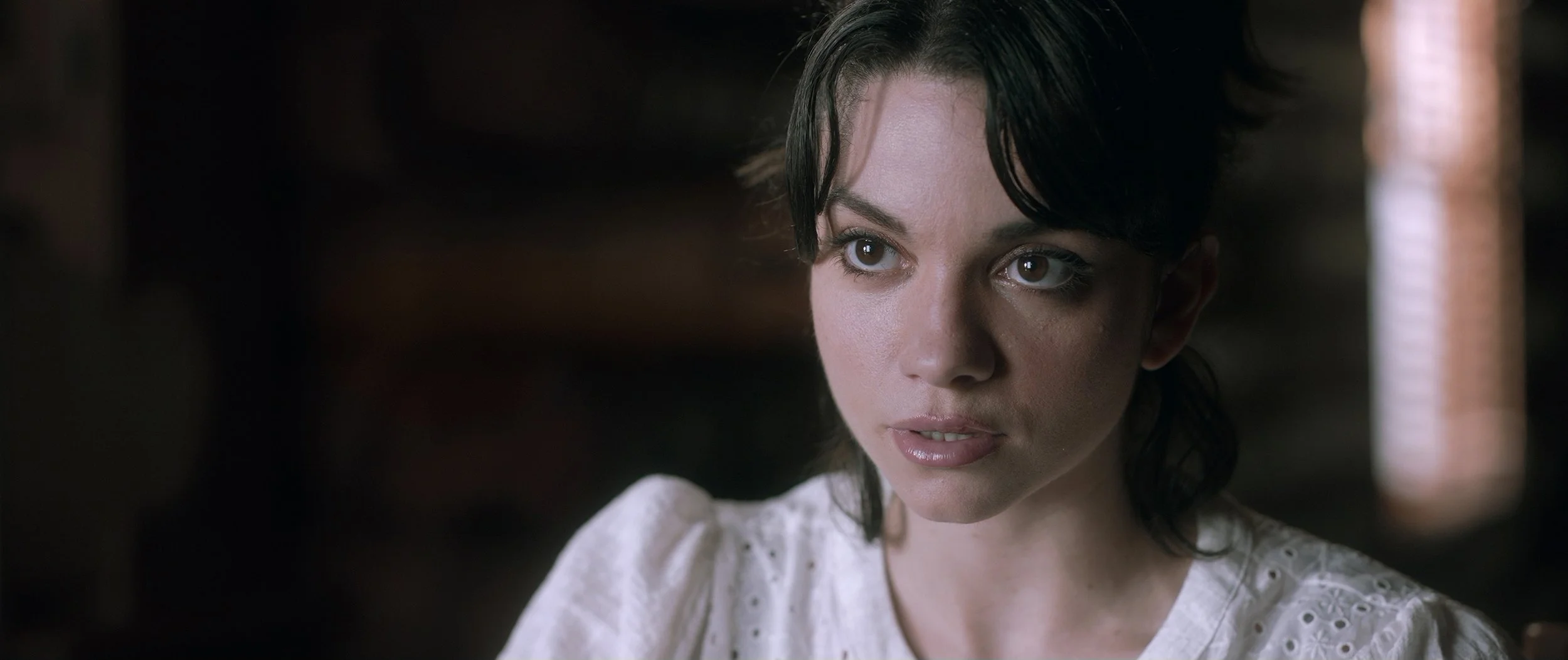
Watch The Fetus starring Lauren LaVera now.
See how it all comes together on screen, watch The Fetus.
👉 Want a free copy of our behind-the-scenes filmmaking book?
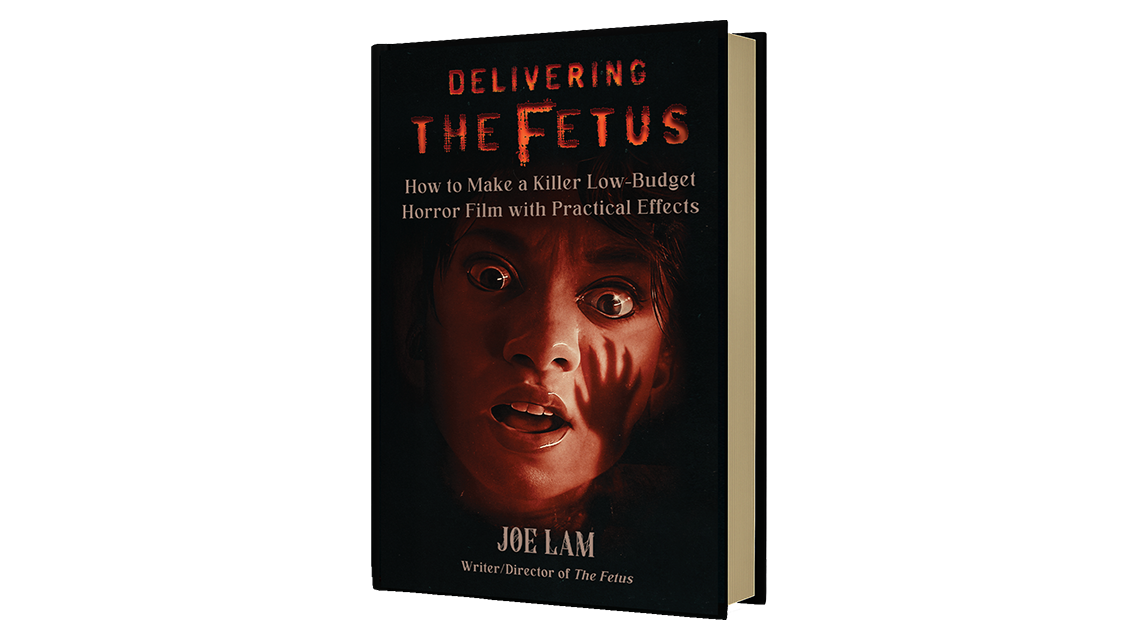
Free filmmaking book by Joe Lam, writer/director of The Fetus, offering step-by-step insights into low-budget horror and practical effects.
Go behind the scenes of The Fetus and dive into the practical FX, creature builds, and filmmaking chaos that brought this monster to life. Essential reading for indie filmmakers and horror fans who want a deeper look into the nightmare behind the movie.