The Art of the Pitch: Securing Funding for Your Indie Horror Film
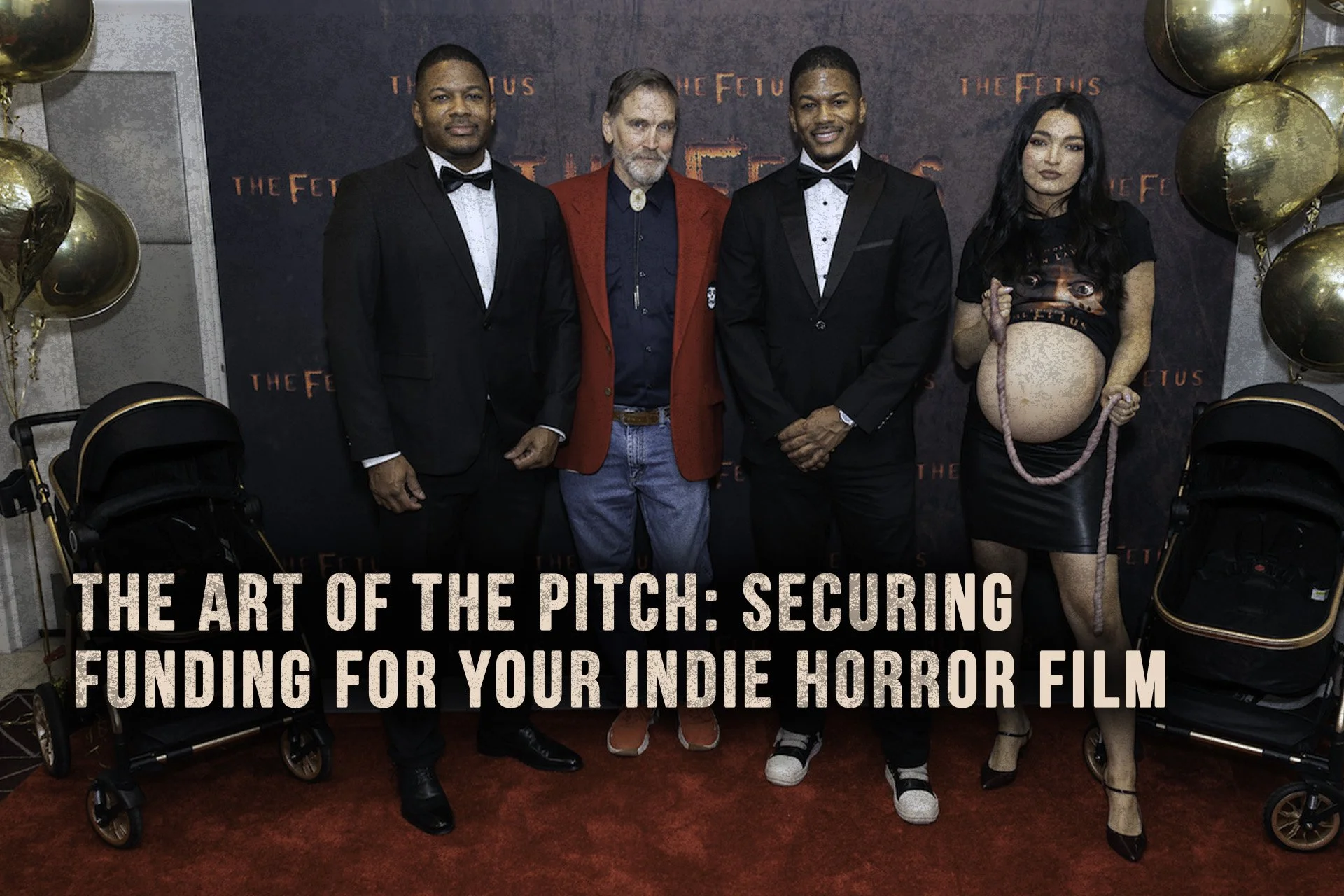
By Joe Lam — Writer & Director
Published: January 24, 2026
“The moment you shift from dreaming about your film to treating it like a business, everything changes.”
Securing financing for an independent horror film is a gauntlet every filmmaker must run. It’s where creative vision collides with hard business realities. Most filmmakers approach this challenge with a screenplay and boundless enthusiasm, but as famed director Werner Herzog reminds us, you cannot wait for the system to finance your projects. You must build it yourself.
This journey from passion to funding is uncomfortable, filled with rejection, and demands a resilience that goes beyond artistic talent. Drawing from the hard-won experience of raising $700,000 for the horror-comedy The Fetus, this article down the actionable, business-minded strategies that turn a compelling story into a fundable investment.
Building Your Foundation: The Non-Negotiables
Before you speak to a single investor, your project must exist as more than an idea. It needs tangible, professional assets that signal seriousness and competence.
1. The Foundational Website
A dedicated website is your project's first public home and a critical credibility tool. As detailed in my book Delivering The Fetus, the website for the film was built early, not as an afterthought. It forces you to define your vision and communicates to potential backers that you are organized and proactive.
Key pages must include:
Home Page: A bold, clean display of your title, logline, genre, and a brief, gripping overview.
The Film: Concept art, storyboards, and early visuals that establish tone.
The Team: Headshots and bios for committed cast and crew, building trust through association.
Past Work: A showcase of your previous films, trailers, and awards to establish a track record.
Investor Portal: A password-protected section for your full business plan and investment documents.
This digital hub is not just promotional; it’s the first act of production. It tells the world, and your potential investors, that the film is already in motion.
2. The Visual Prototype: The Video Animatic
Investors are busy. Asking them to read a 90-page script is a significant ask. Presenting them with a video animatic is not.
For The Fetus, a narrated, storyboard-driven video animatic set to music was created. This tool did the heavy lifting of visualization, conveying the film’s tone, pacing, and heart in a format that’s effortless to consume. It transformed the pitch from an abstract description into an immersive experience, demonstrating a level of preparation and commitment that separates dreamers from executors.
Speaking the Language of Business: The Investment Pitch Deck
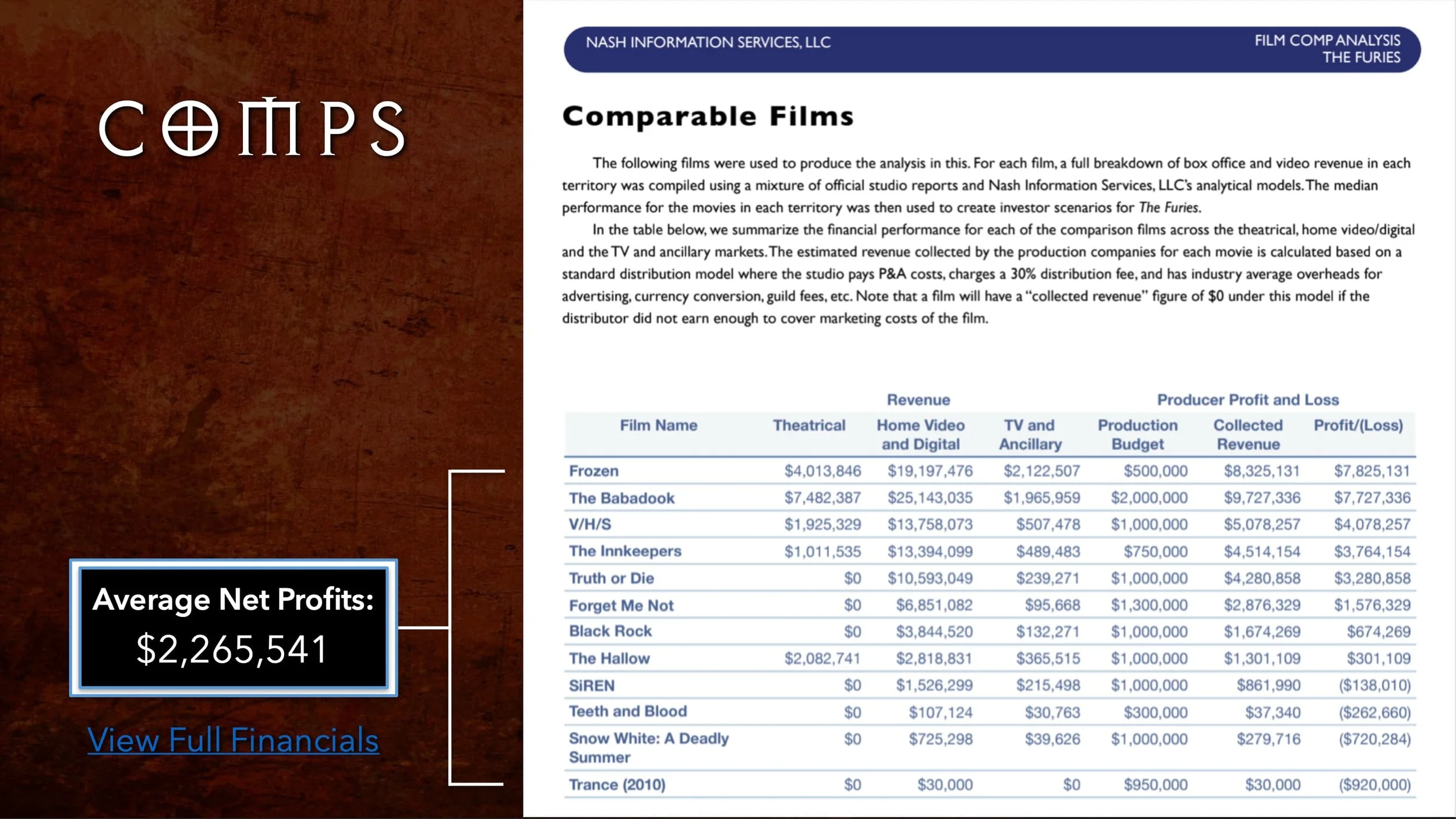
Speak the language of investors. Including a professional comps report with real financial data like this, analysis of films such as The Babadook and V/H/S, provided tangible evidence of market potential and was a key factor in securing funding for The Fetus.
This is where you bridge the gap between art and commerce. An investment pitch deck is not a creative lookbook; it’s a business proposal that speaks directly to an investor’s need for a structured opportunity with clear potential for return.
Your deck must be professional, visually engaging, and cover these critical areas:
The Hook (Cover, Overview, Story): Immediately capture interest with strong art, a killer logline, and a synopsis that highlights unique conflict and marketable themes.
The Vision (Visual Style, Team): Use mood boards and reference films to define the aesthetic. Showcase your key committed crew to prove you have the expertise to execute.
The Market Case (Marketability, Financial Potential): This is the core of your business argument. Use film comparables (comps) of recent, successful films similar in genre, tone, and budget to demonstrate proven audience demand. Support this with data on their performance (budget, box office, VOD success).
The Deal (Investment Opportunity, Distribution Strategy): Clearly state the total funding required and the investment structure (e.g., equity, profit-sharing). Outline a realistic distribution plan covering festivals, VOD, and streaming.
The Plan & Mitigation (Production Plan, Risk Mitigation): Present a professional timeline and address investor concerns by highlighting experienced crew, planned tax incentives, and targeted marketing strategies.
Choosing the right comps is a strategic exercise. They should be recognizable but realistic, from the last 5 years, and within a comparable budget range. For a deeper analysis, professional comp reports from sites like The-Numbers.com can be a worthwhile investment, adding significant credibility by detailing exactly how similar films generated revenue.
The Human Element: Connecting with Investors
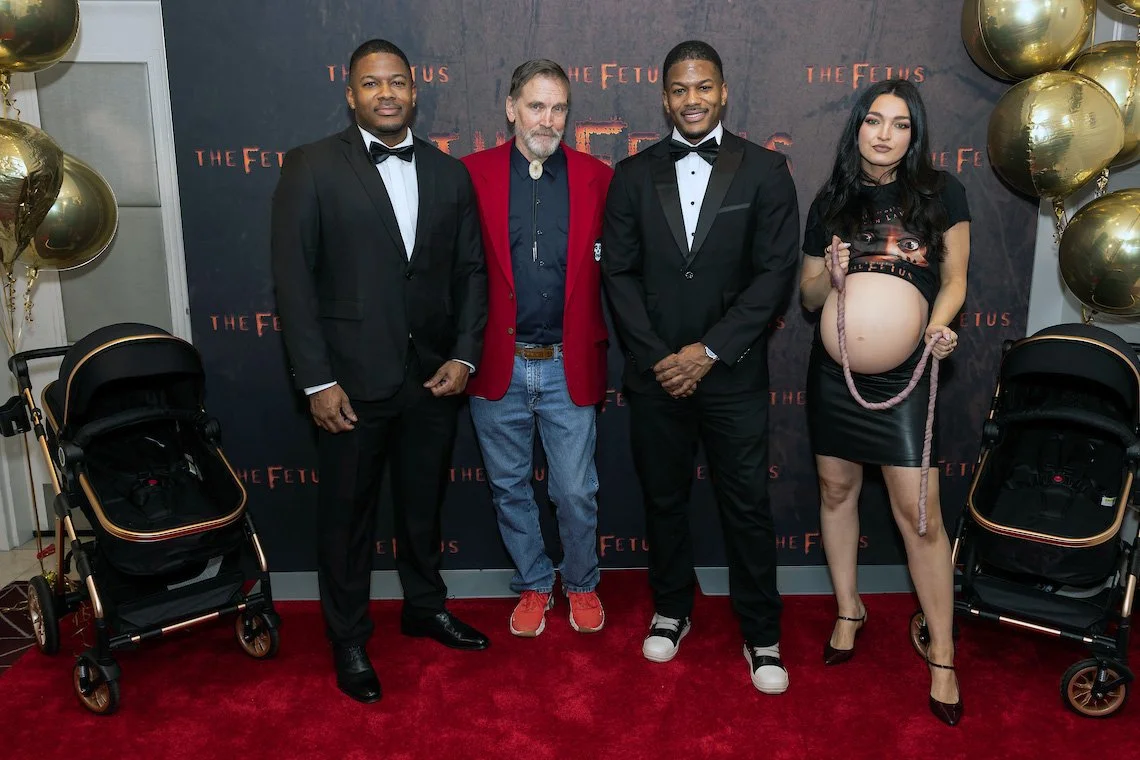
Nathan Rudd and Jeremy Rudd, investors in The Fetus, at the film's LA premiere with horror icon Bill Moseley and actress/model Joanna Hobbie. Showcasing a strong, supportive team was a fundamental part of the film's successful funding pitch.
With your assets ready, the search begins. Funding often comes from unexpected places, but you must be strategically present in those places.
1. Strategic Networking (Online & Offline)
LinkedIn: A powerful, underutilized tool. Build a complete professional profile, then use the search function to find film investors. The key is in the personalized connection request in writing a brief, respectful note expressing curiosity about their interests, not an immediate pitch. The goal is to build rapport and move the conversation to a call or in-person meeting.
Local Events: Attend business networking mixers, entrepreneur events, and conferences. High-net-worth individuals frequent these spaces. Lead with curiosity by asking “What brought you here?” and let the conversation flow naturally to your work. Your goal is to plant seeds and build relationships, not close a deal on the spot.
2. The Power of Proof and Trust
The first $100,000 for The Fetus did not come from a film insider. It came from a restaurateur and real estate investor. This connection was forged not by pitching a movie, but by first demonstrating competence and delivering results in a separate field of real estate where I help produce cash flow for the investor. This established crucial trust.
“When the moment was right, sharing the website and video animatic transformed that trust into an investment.”
Soon after, additional investors came on board as The Fetus appeared as a more a viable project than other horror films due to the way it was packaged with the completed script, attached talent (Bill Moseley), detailed pitch deck, and clear evidence of momentum. This signaled a higher probability of execution and success.
The Mindset Shift: From Filmmaker to Film Entrepreneur
The throughline in every successful funding story is a fundamental shift in identity. You are not a filmmaker asking for a donation to your art. You are a film entrepreneur offering a compelling business opportunity.
This means:
Preparation is Your Currency: The filmmaker with a screenplay is common. The filmmaker with a website, animatic, data-backed pitch deck, attached talent, and strategic comps is rare. This preparation makes your vision undeniable.
You Are the First Investor: The time, money, and resources you sink into creating these professional assets are your initial skin in the game. It shows belief and mitigates perceived risk for others.
Pitch the Train, Not the Ticket: Investors back moving trains. Your job is to demonstrate, through tangible assets and a clear plan, that this film is getting made. You are offering them a seat on a journey already underway.
Securing funding is a test of your belief in the project. It requires you to armor your creative vision with business acumen, to translate fear and laughter into financial forecasts, and to pursue connections with relentless professionalism.
The goal is not just to fund a film, but to build a coalition of believers who will support not only this project, but the career you are building beyond it.
Stop dreaming and start building.
👁 Haven’t seen the film yet?
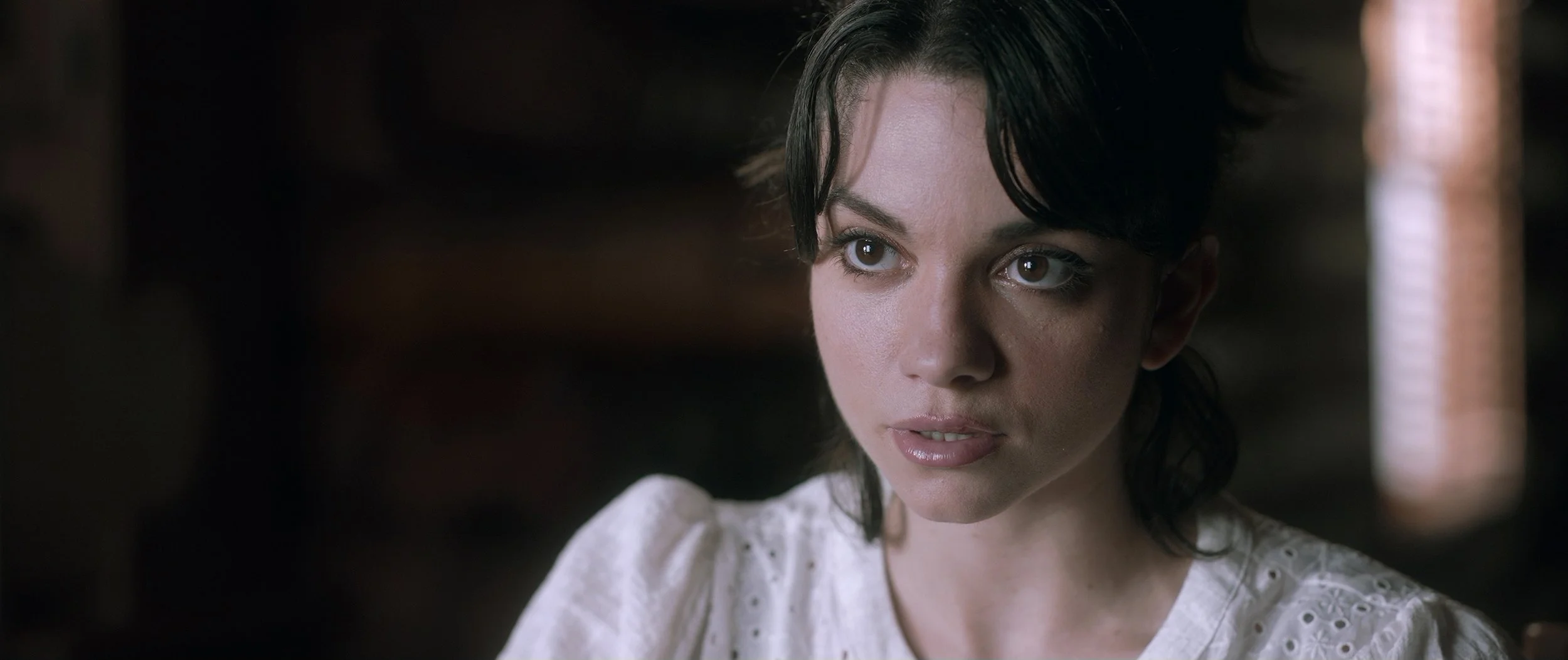
Watch The Fetus starring Lauren LaVera now.
See how it all comes together on screen, watch The Fetus.
👉 Want a free copy of our behind-the-scenes filmmaking book?
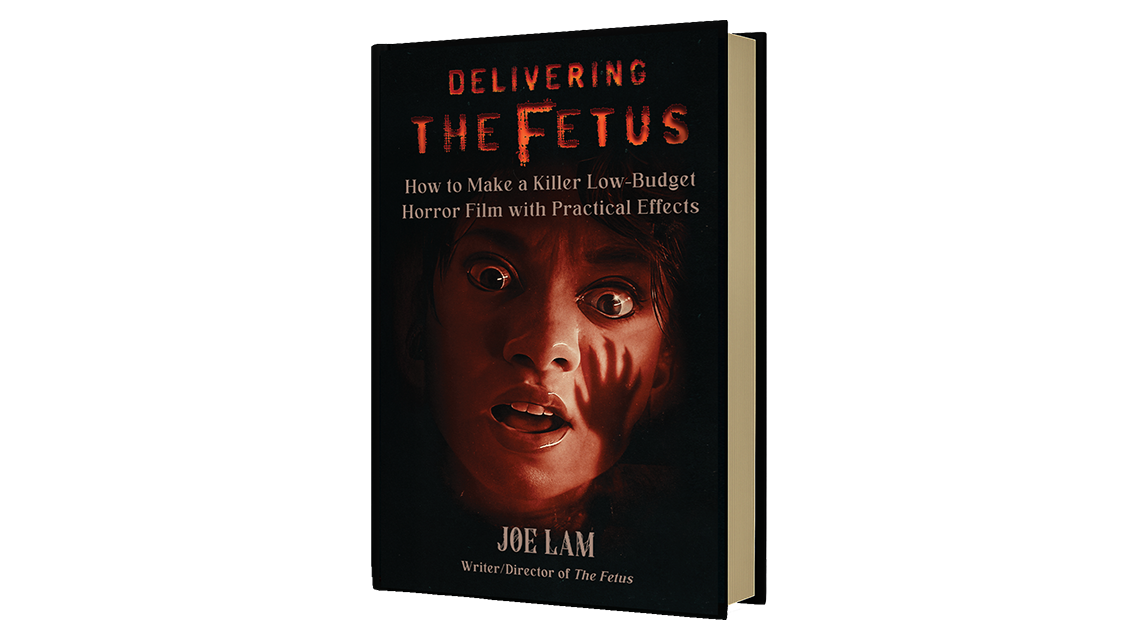
Free filmmaking book by Joe Lam, writer/director of The Fetus, offering step-by-step insights into low-budget horror and practical effects.
Go behind the scenes of The Fetus and dive into the practical FX, creature builds, and filmmaking chaos that brought this monster to life. Essential reading for indie filmmakers and horror fans who want a deeper look into the nightmare behind the movie.