Why Horror-Comedy Is One of the Hardest Genres to Get Right (And why most indie films fail at it)
By Joe Lam — Writer & Director
Published: January 17, 2026
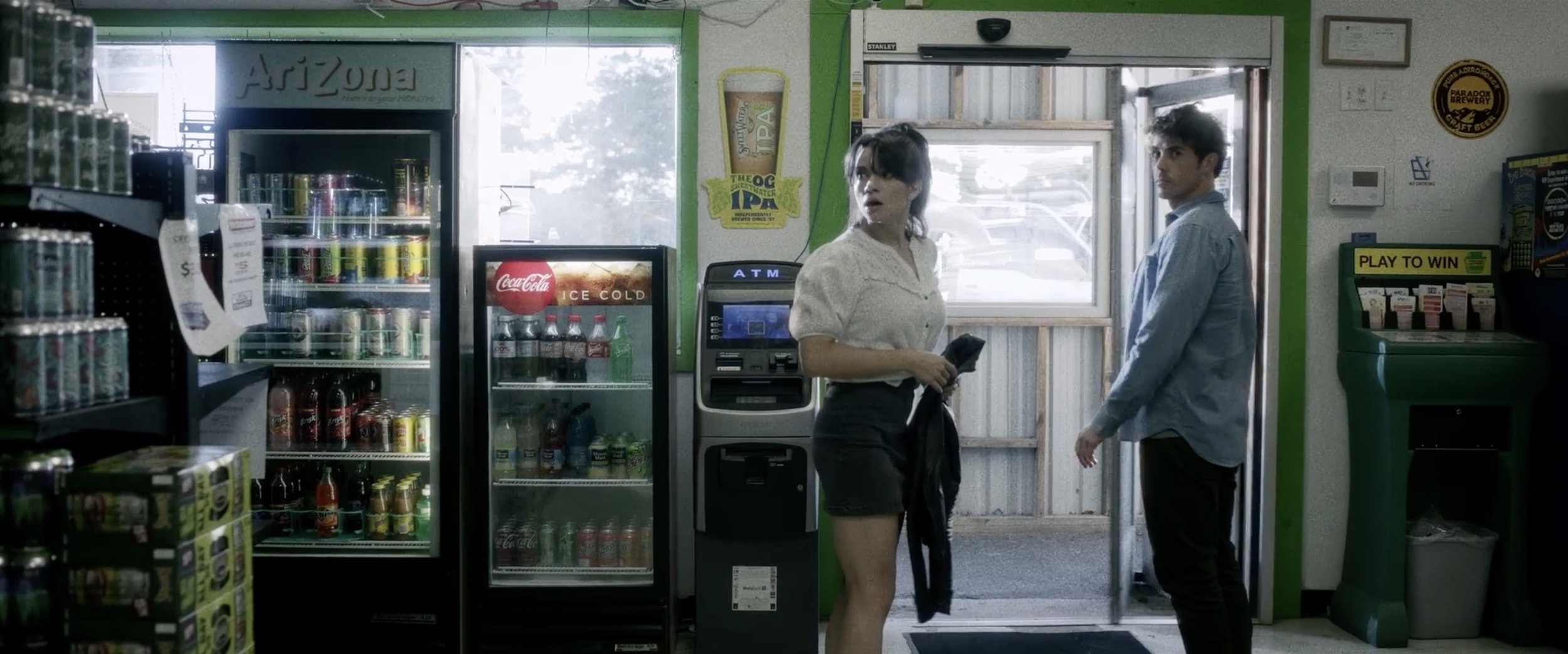
Lauren LaVera and Julian Curtis in The Fetus. Moments like this live or die by tone where pushing too hard toward comedy or horror can break the balance.
Horror-comedy looks easy on paper.
You scare people.
You make them laugh.
You let the tension release.
Simple, right?
In practice, horror-comedy is one of the most unforgiving genres to attempt, especially at the indie level. I didn’t fully understand that until I lived inside it for years while making The Fetus.
Most horror-comedies don’t fail because the jokes aren’t funny or the scares aren’t shocking. They fail because they don’t understand tone. And tone is everything.
Horror and Comedy Pull in Opposite Directions
At their core, horror and comedy want different things from the audience.
Horror asks the audience to:
Lean in
Feel vulnerable
Believe the danger is real
Comedy asks them to:
Relax
Feel safe enough to laugh
Step back from the threat
That push and pull is where horror-comedy either comes alive or completely collapses. Lean too far into comedy and the horror loses its bite. Push the horror too hard and the comedy feels inappropriate or accidental. There’s no formula for balancing that tension. You feel it moment by moment, shot by shot.
The Biggest Mistake Indie Horror-Comedies Make
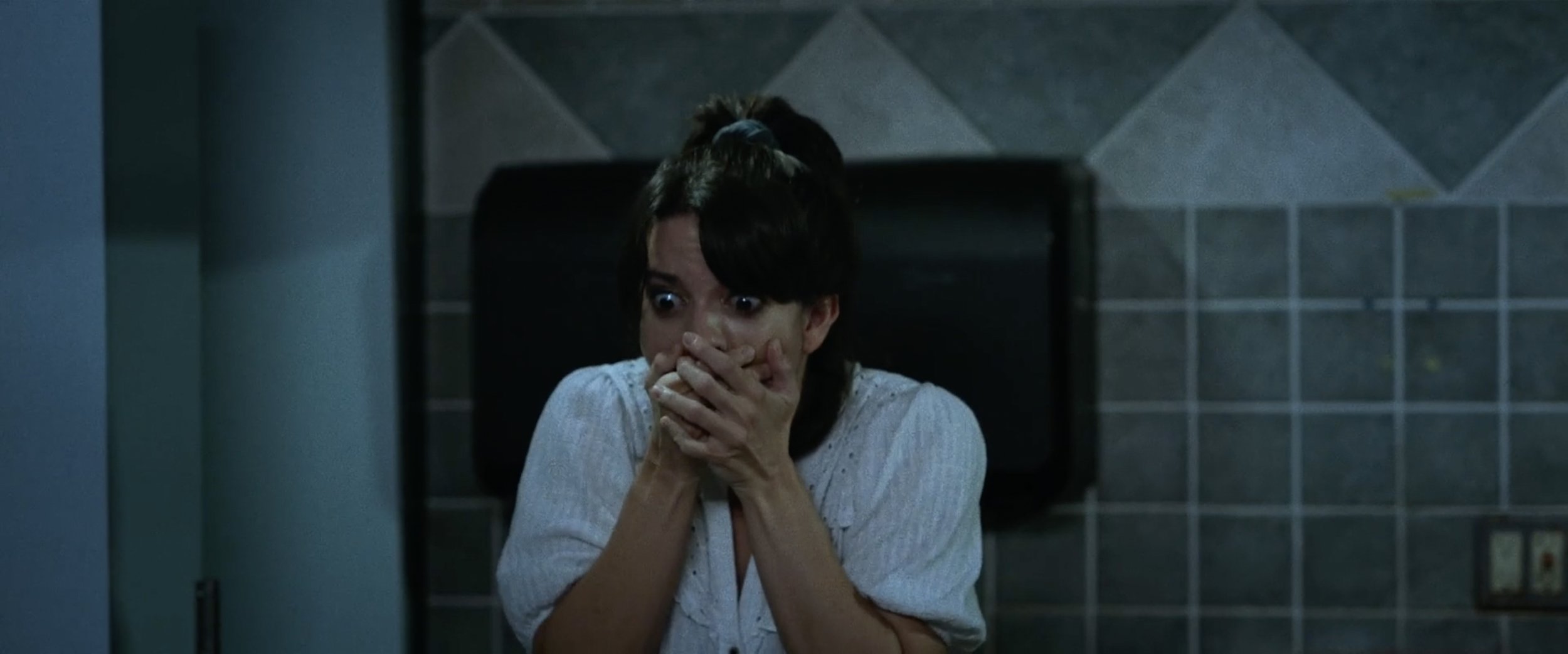
Lauren LaVera anchors the moment with real fear in The Fetus, letting the tension land before any humor is allowed to surface.
Most indie horror-comedies start with the wrong question:
“How do we make this funny?”
That mindset immediately puts the film in danger.
When filmmakers chase jokes, the film starts winking at the audience. Once the movie knows it’s funny, the danger disappears. The audience stops believing anything on screen has real consequences.
The strongest horror-comedies don’t try to be funny. They take the horror seriously and allow humor to emerge naturally from character, circumstance, and discomfort.
In The Fetus, we never told the actors to “play the joke.” We told them to play the truth of the situation, no matter how absurd it was. The comedy came from how seriously everyone treated the impossible.
Tone Isn’t Written. It’s Discovered.
Another reason horror-comedy fails is the assumption that tone lives in the script. It doesn’t.
Tone is shaped by:
Lighting choices
Camera distance
Performance restraint
Sound design
Editing rhythm
When you don’t add music
When you let a moment linger uncomfortably
You don’t find the balance on the page. You find it on set, and sometimes you don’t realize you’ve crossed the line until you see the cut. We constantly asked ourselves during production:
“Are we undercutting this moment?”
“Are we letting the scene breathe too long?”
“Is this unsettling… or silly?”
Those questions never stop.
Restraint Is the Secret Weapon
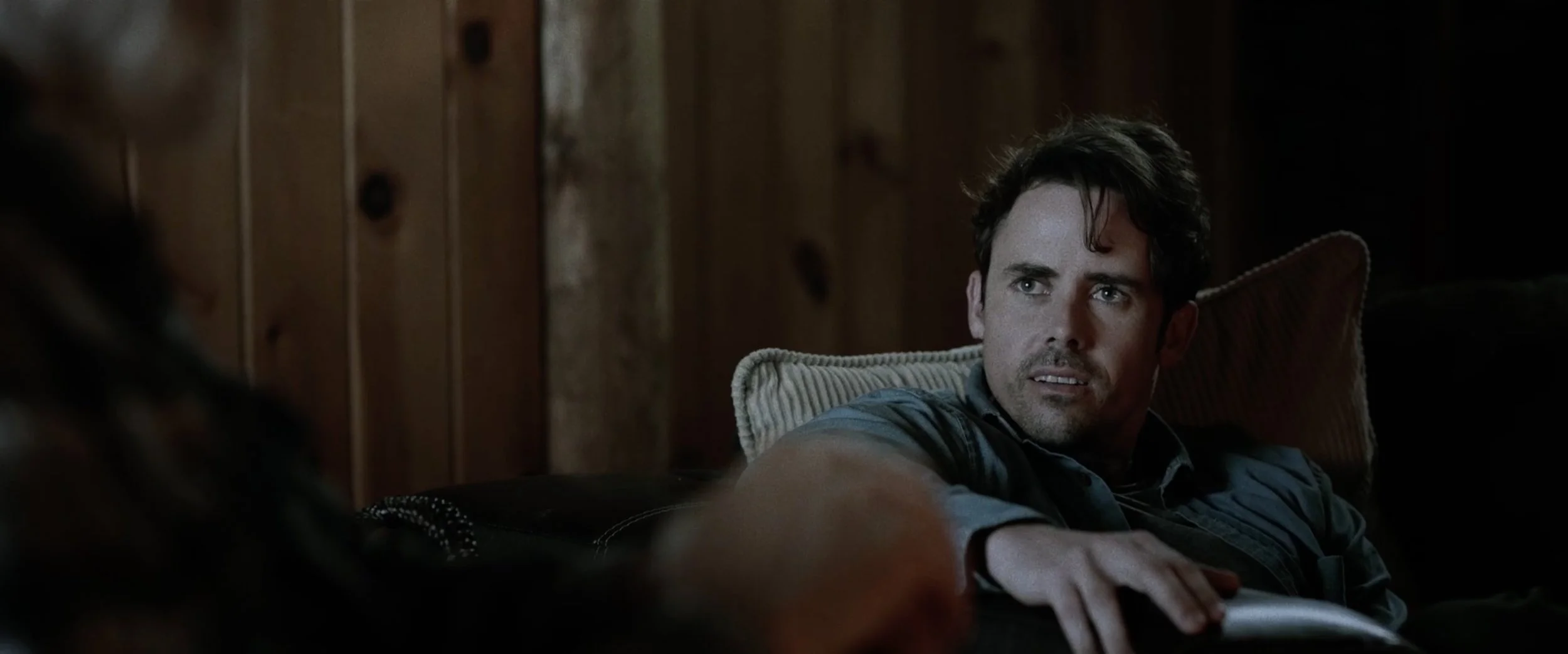
Julian Curtis holds the tension in Maddox’s cabin, where subtle performances and quiet moments do more work than overt scares in The Fetus.
The most valuable tool in horror-comedy isn’t clever writing or outrageous effects. It’s restraint.
Restraint in:
Performance
Camera movement
Music cues
Color choices
Dialogue
When everything is heightened, nothing stands out. Horror-comedy works best when the world feels grounded enough that the absurdity becomes disturbing instead of cartoonish.
That’s especially important for indie films, where budget limitations already threaten believability. The more controlled your tone, the more forgiving the audience becomes.
Why So Many Indie Horror-Comedies Feel “Off”
When horror-comedy fails, it usually fails quietly. Audiences don’t always say, “This tone doesn’t work.”
They say:
“It felt weird.”
“I didn’t know how I was supposed to feel.”
“I laughed, but I wasn’t scared.”
“It felt like two different movies.”
That confusion is tone breaking down. Once the audience stops trusting the filmmaker’s control, they disengage. And in horror, disengagement is fatal.
Horror-Comedy Demands Trust
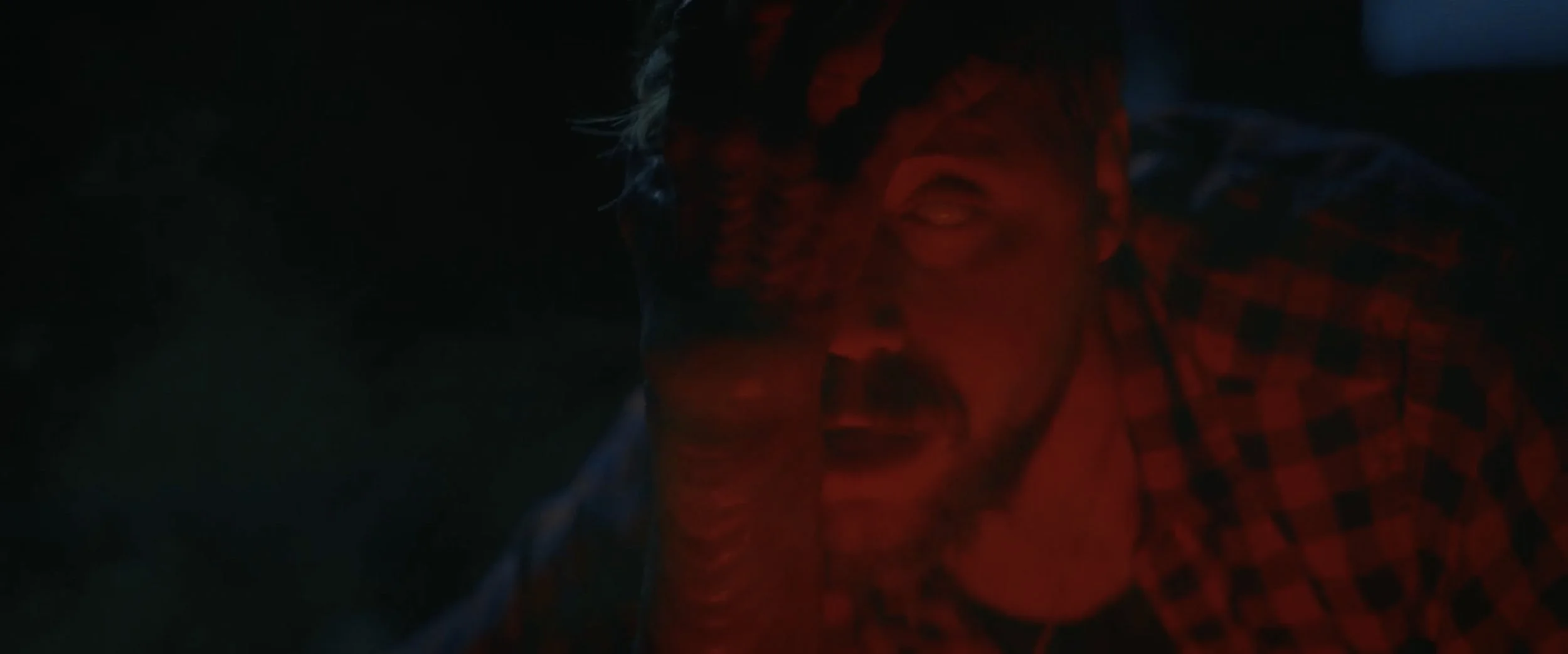
Evan Towell confronts pure horror as a demon takes control, using aggressive red lighting to push the scene firmly into fear before comedy is ever allowed to enter in The Fetus.
The hardest part of horror-comedy isn’t making people laugh or jump. It’s earning their trust. The audience has to believe you know exactly what you’re doing, even when the film is walking a tightrope. If they sense uncertainty, the balance collapses.
That trust comes from:
Consistency
Intentional choices
Respect for the genre
Respect for the audience
Horror fans are incredibly perceptive. They know when a film is mocking the genre instead of embracing it.
Why I’d Still Choose Horror-Comedy Again
Despite how difficult it is, I don’t regret choosing horror-comedy for my first feature.
When it works, it creates something unforgettable. Horror-comedy sticks with people because it makes them uncomfortable in a way they can’t quite explain.
It lingers.
But it only works when you stop trying to impress the audience and start trusting them. Horror-comedy isn’t about being louder, funnier, or gorier. It’s about knowing exactly when to hold back.
If you want to make horror-comedy, understand this going in:
You’re not juggling scares and jokes.
You’re managing trust.
And that’s why it’s one of the hardest genres to get right.
👁 Haven’t seen the film yet?
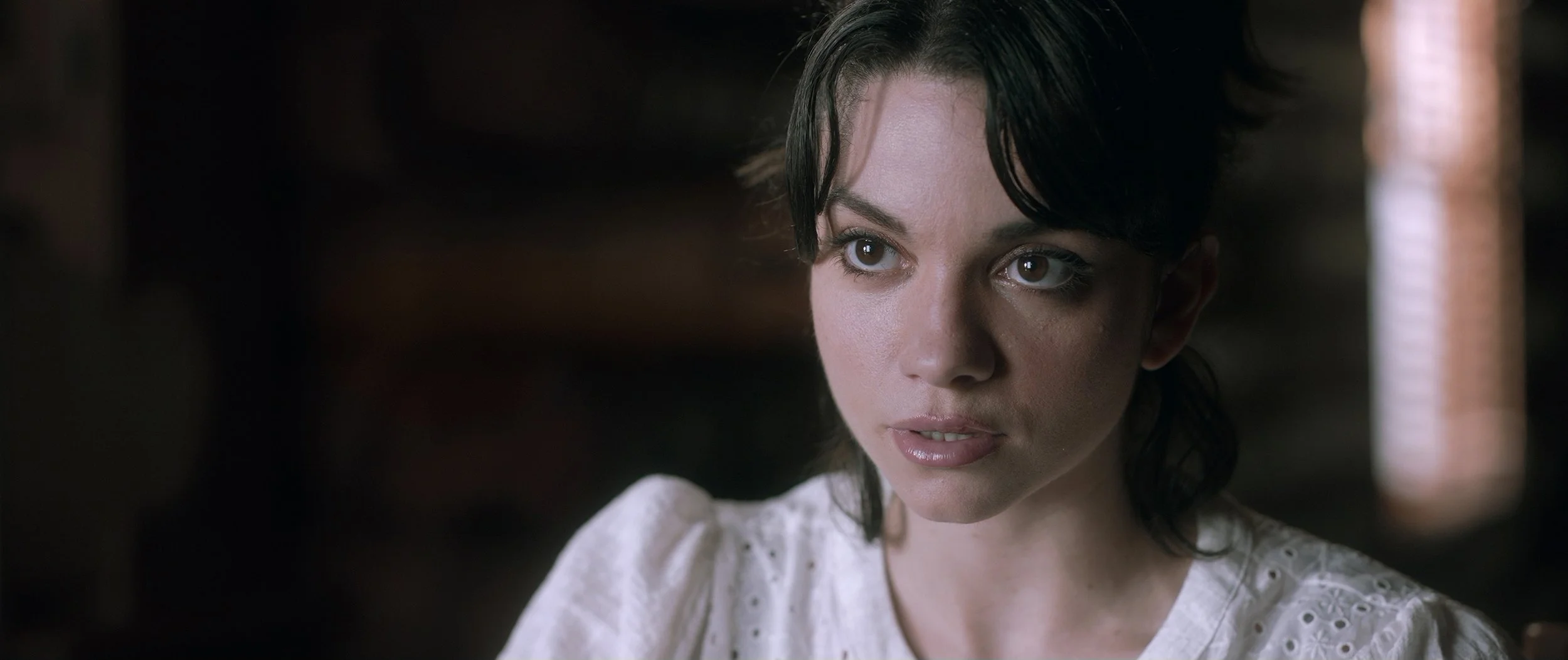
Watch The Fetus starring Lauren LaVera now.
See how it all comes together on screen, watch The Fetus.
👉 Want a free copy of our behind-the-scenes filmmaking book?
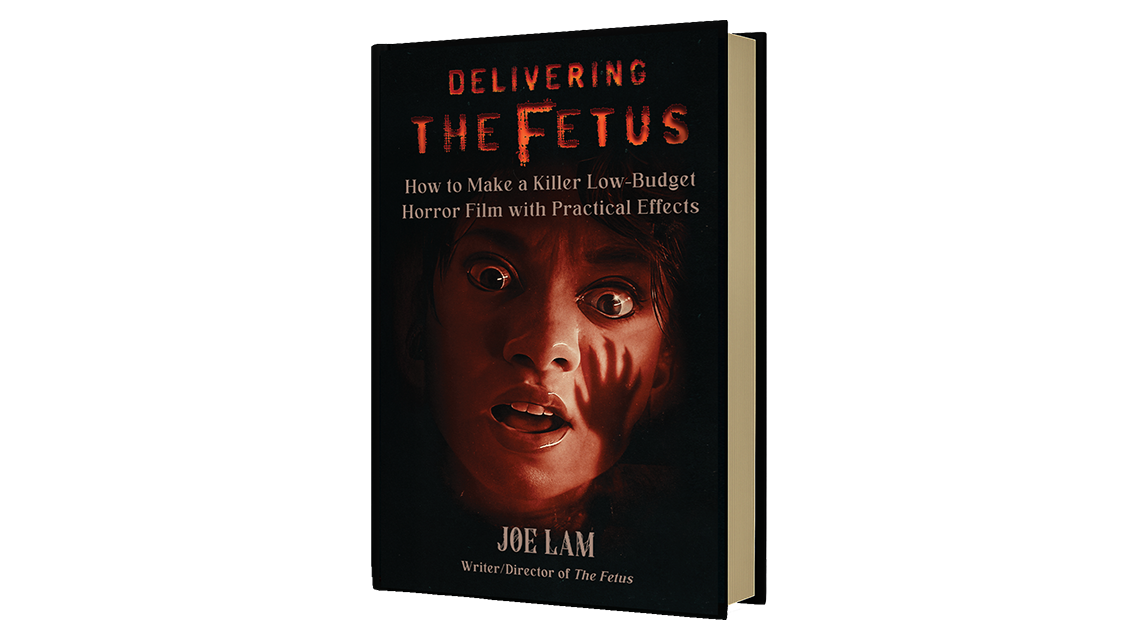
Free filmmaking book by Joe Lam, writer/director of The Fetus, offering step-by-step insights into low-budget horror and practical effects.
Go behind the scenes of The Fetus and dive into the practical FX, creature builds, and filmmaking chaos that brought this monster to life. Essential reading for indie filmmakers and horror fans who want a deeper look into the nightmare behind the movie.