Behind the Score: Music & Silence in Horror‑Comedy
By Joe Lam — Writer & Director
Published: December 13, 2025
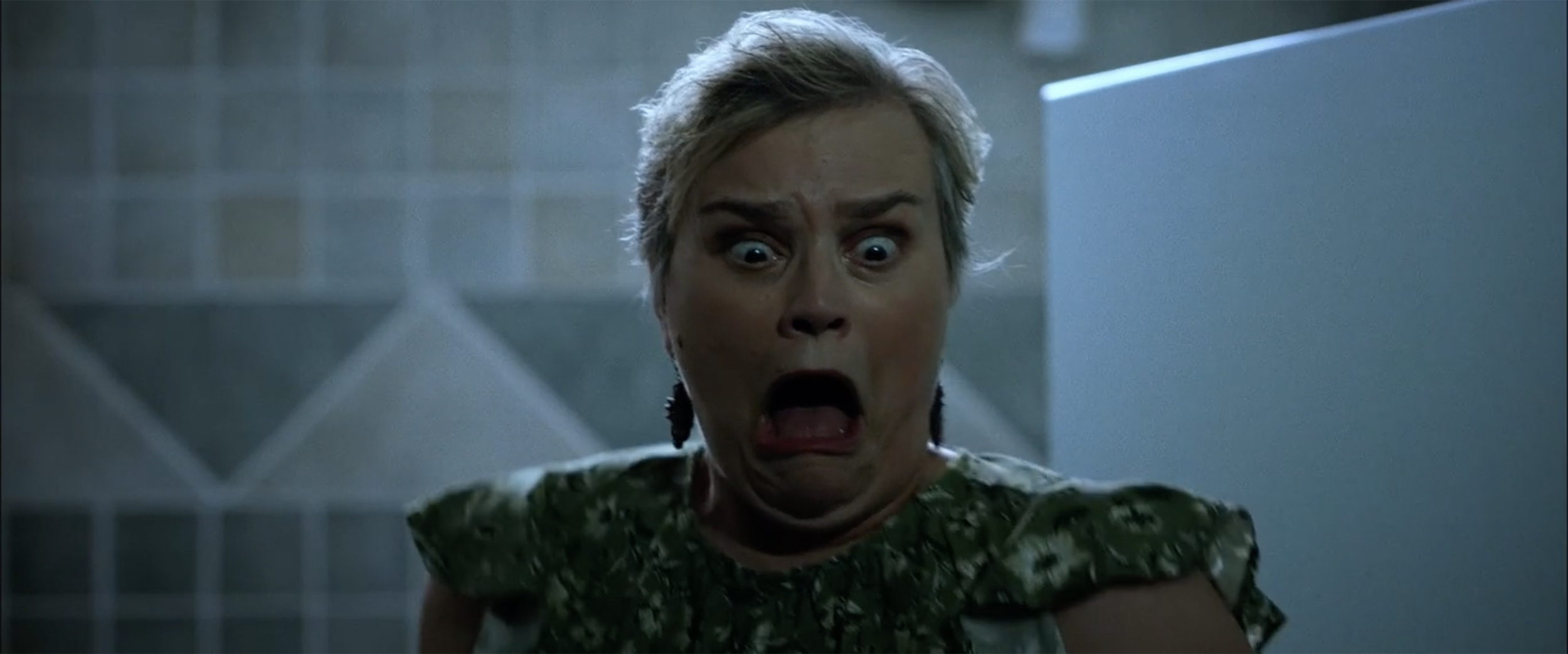
A perfectly timed scream in The Fetus—a scene made even more disturbing by the sudden drop into silence before the horror strikes.
When people think of horror movies, they picture grotesque imagery, jump scares, and buckets of blood. But The Fetus wasn’t just built in prosthetics and screams—it was built in sound.
From the earliest days of post-production, sound designer and music supervisor Brent Trotter played a pivotal role in shaping the film’s identity. We weren’t just scoring scenes, we were constructing an emotional roadmap. The result? A sonic world that lurches between dread and dark humor, often in the same breath.
Designing Soundscapes for Character and Creature
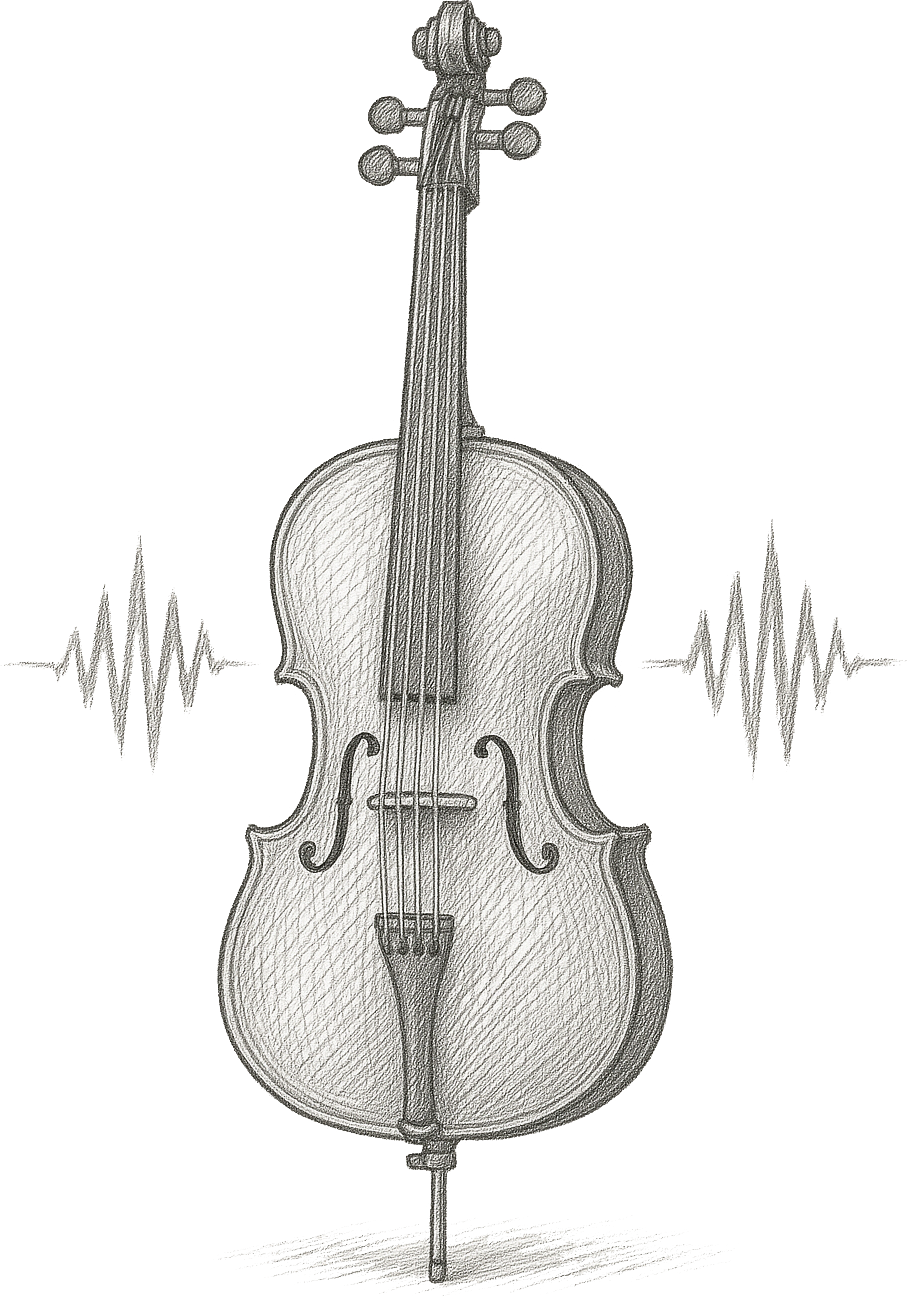
A hand‑drawn violin sketch representing the unsettling score and sonic tension woven throughout The Fetus.
Rather than score the film with a single tonal palette, Brent and I worked to give each major presence its own sonic fingerprint.
Maddox, Alessa’s father, carried a mournful, ritualistic theme of two-note violin motifs that felt ancient and heavy with regret.
Alessa and Chris, as reactive protagonists, weren’t bound to repeating themes. Instead, Brent used musical cues that reflected the emotion of the moment surrounding fear, hesitation, and intimacy, rather than a defined melody.
The fetus creature evolved sonically as it grew. Early textures were snake-like, layered with wet gurgles and high screeches, echoing Lucifer’s serpent in Eden. As it matured, its voice twisted into something horrifyingly human: a blend of infantile cries and corrupted speech. It sounded like a creature trying to mimic humanity, but getting it terribly wrong.
One recurring motif, a simple A minor piano chord, became the fetus’s theme. It returned during key narrative escalations, such as the neighbor kidnapping, subtly signaling that something unnatural had taken hold.
The Raimi Rule: Silence > Score
One of the most important rules Brent and I followed was what we called “The Raimi Rule”, a nod to Evil Dead director Sam Raimi, who famously lets Foley (sound effects) lead the horror, not the music.
Take the gas station bathroom kill. There’s no ominous score building tension. Instead, Brent crafted a symphony of horror through sound alone:
A distorted heartbeat.
The wet slither of movement.
Screams layered with the tear of flesh and snap of bone.
The drip of pooling blood.
No strings. No rising orchestra. Just anatomy. Just terror.
Building a Monster from Sound
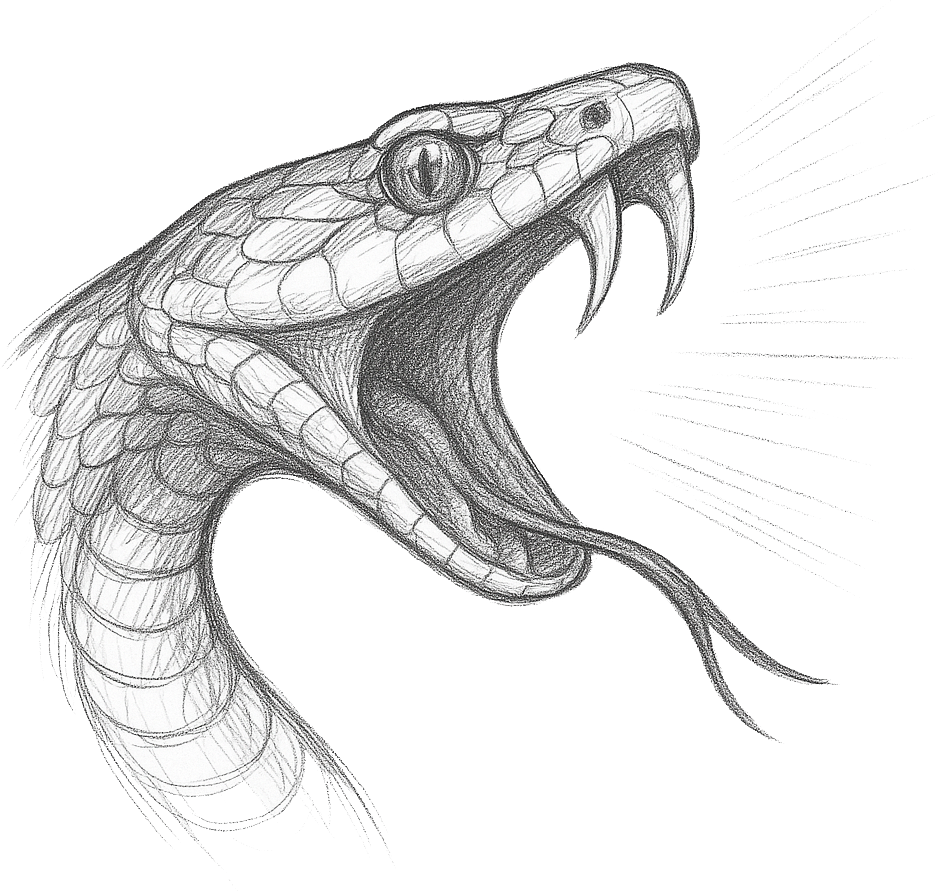
Hand-drawn pencil illustration of a snake mid-hiss, mouth agape and fangs bared—an early concept sketch exploring creature aggression in The Fetus.
The fetus didn’t roar—it slithered, scraped, and grew. Brent created its voice from scratch, layering:
Snake hisses
Inverted baby gurgles
Screeches
Flesh and bone effects
And ADR from actors distorted beyond recognition
The result was a creature that sounded alive and horrifying, more than digital growls or off-the-shelf monsters ever could.
Even Cerise, the demon mother, was sonically multi-dimensional. Her voice, performed by Amy Arena, was twisted through pitch-shifting, overlapping vocal textures, and atmospheric reverbs—transforming her into a presence that was male, female, and something else entirely.
Royalty-Free, But Never Generic
Without the budget for a full composer, Brent turned to royalty-free platforms like AudioJungle and Envato. But instead of dragging and dropping tracks, he blended 3–4 cues per scene like a musical Frankenstein to match tone, rhythm, and emotion.
He treated each royalty-free cue like raw clay, shaping it to fit the scene’s emotional arc rather than using music as filler. Whether we were in a moment of dread, absurdity, or heartbreak, the score sharpened those edges without overwhelming them.
When Silence Screams Louder
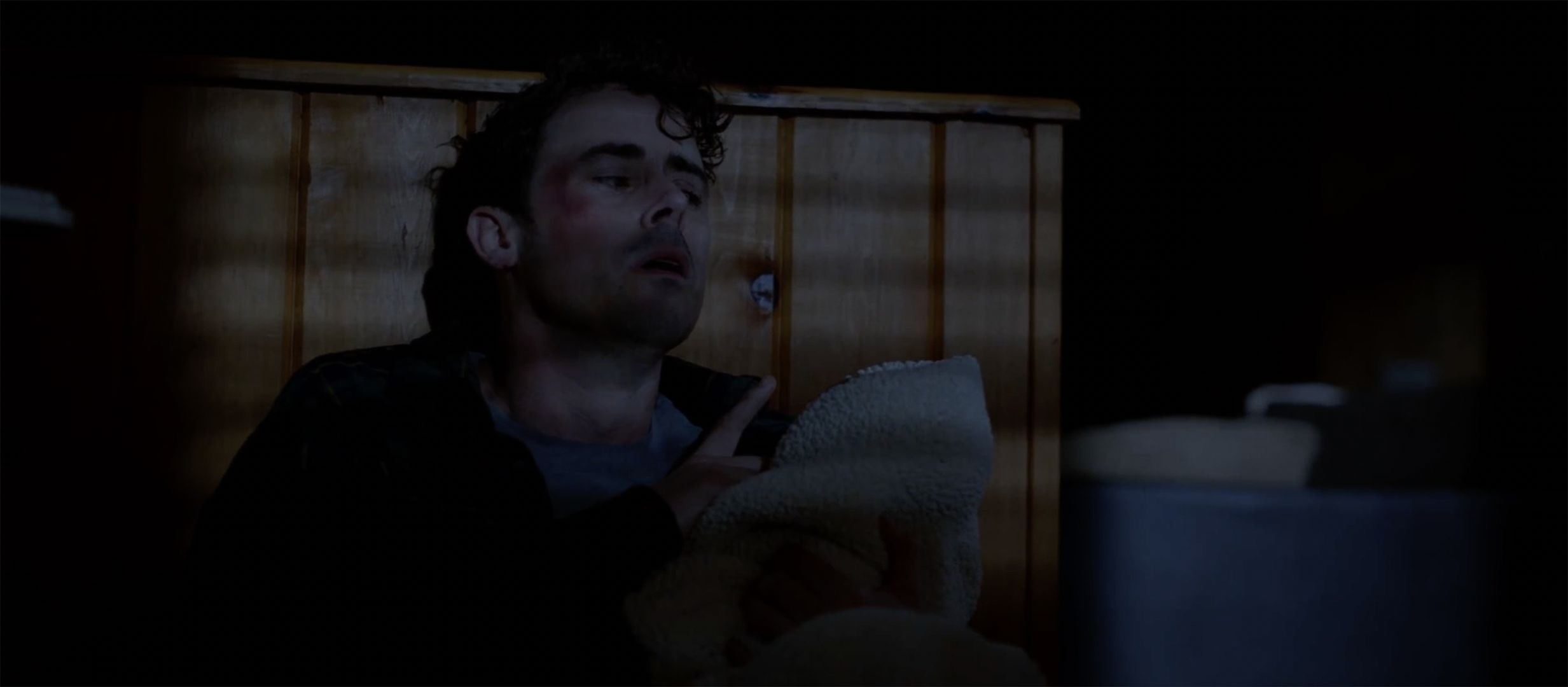
Julian Curtis delivers a haunting performance in a pivotal scene from The Fetus, where tension and vulnerability collide in the dark.
We used silence as a tool, not just for absence of sound, but the presence of tension.
In Maddox’s cabin, a quiet ticking clock fills the space, but disappears the moment Cerise arrives as if her presence stopped time. Viewers may not notice it consciously, but they feel the shift.
During possession scenes, Brent buried faint whispers and moans beneath ambient layers that were barely audible.
The absence of music in horror-comedy is especially powerful. A joke lands harder when the music plays it straight. A scare hits deeper when the audience isn’t warned. Silence forces the audience to lean in—and sometimes, to squirm.
Final Thoughts: Feel the Horror, Don’t Just Hear It
Every heartbeat, screech, and pause in The Fetus was deliberate. Brent didn’t just decorate scenes—he sculpted emotion. The sound design didn’t just accompany the horror, it became the horror.
For filmmakers and horror fans alike, the takeaway is simple:
Don’t underestimate the power of sound.
Sometimes, the scariest thing isn’t what you see… it’s what you hear.
👁 Haven’t seen the film yet?
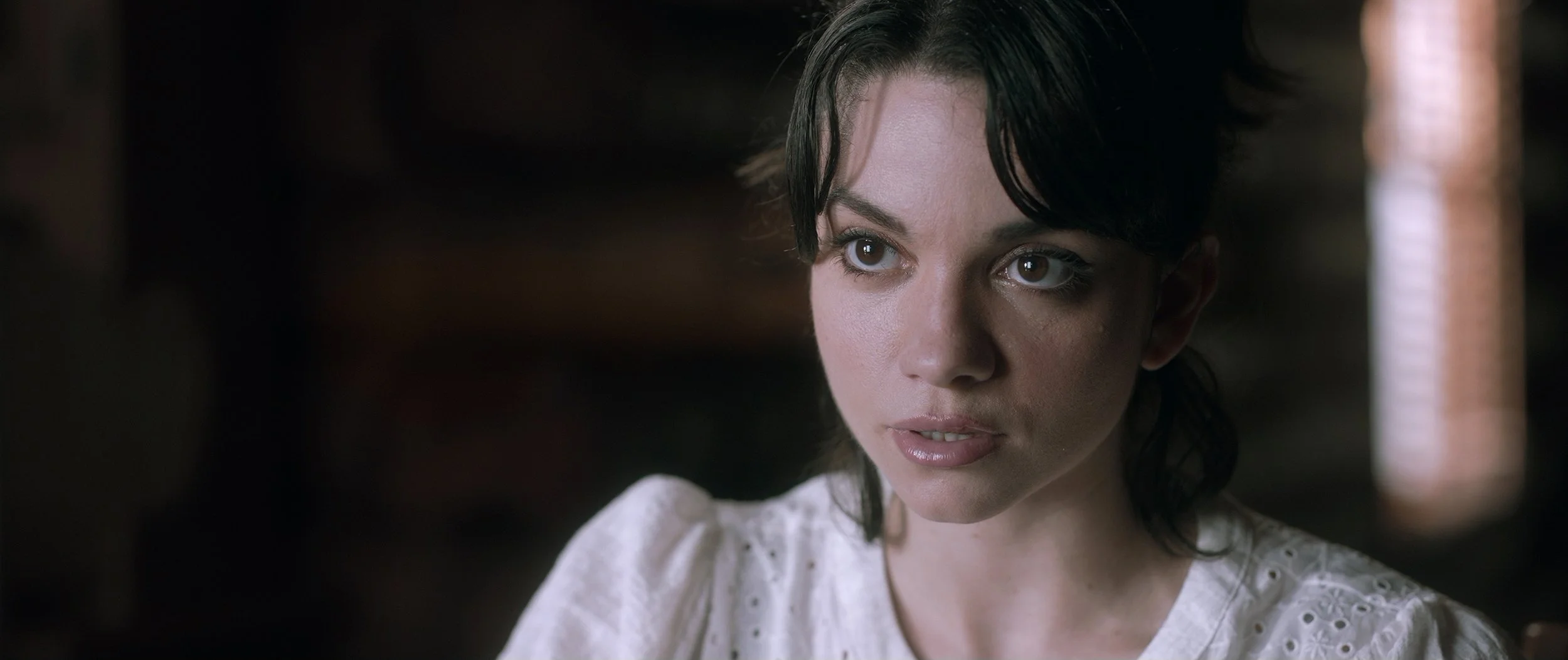
Watch The Fetus starring Lauren LaVera now.
See how it all comes together on screen, watch The Fetus.
👂 Want to learn how we built the film from blood, sound, and sweat?
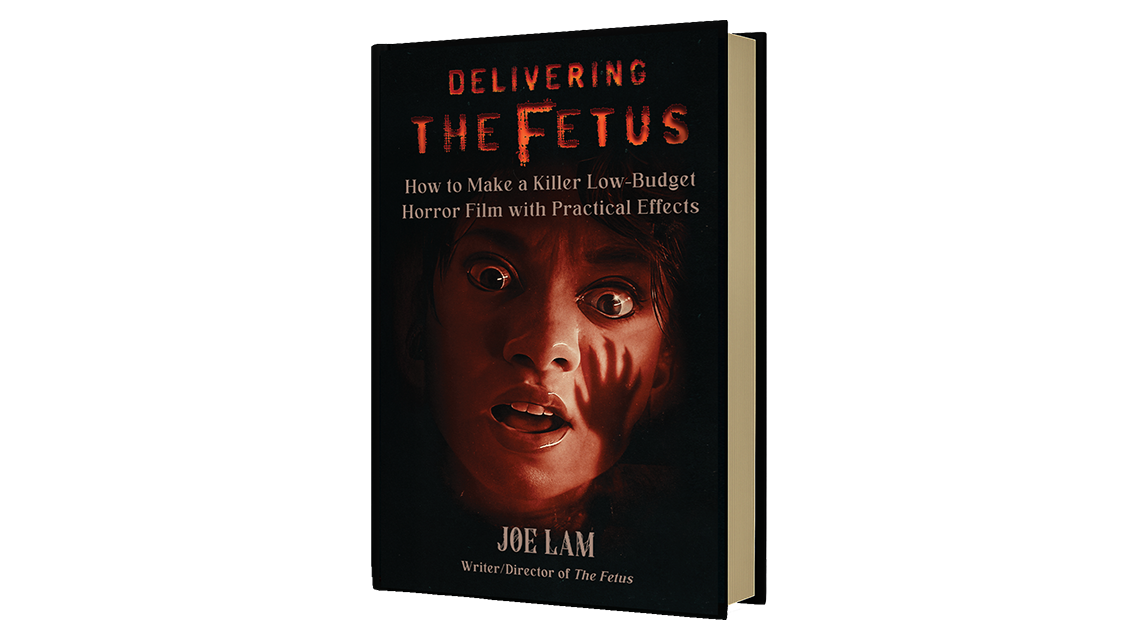
Free filmmaking book by Joe Lam, writer/director of The Fetus, offering step-by-step insights into low-budget horror and practical effects.
Go behind the scenes of The Fetus and dive into the practical FX, creature builds, and filmmaking chaos that brought this monster to life. Essential reading for indie filmmakers and horror fans who want a deeper look into the nightmare behind the movie.